

The camel mammary gland is a remarkable example of nature’s intelligence—designed to sustain milk production under extreme heat, water scarcity, and high microbial exposure. With its unique alveolar structure, calf-dependent milk let-down, and naturally high levels of protective proteins like lactoferrin, the camel udder represents a perfectly balanced system of productivity and immunity. As climate challenges intensify, understanding and adopting this biological model may hold the key to building resilient, sustainable dairy systems for the future.

Colostrum, the initial mammary secretion produced immediately post-partum, is a critical biological fluid that provides …

What I did on World Donkey Day 8 May this year 2026? , I visited Jabal Yibir in Al Al tawain, Fujairah, to observe donkeys used for local work. Donkey Day was also celebrated in different parts of the world, highlighting the importance of these animals in supporting livelihoods. During my visit, I met four donkeys that were healthy, friendly, and well-adapted to the local environment. They play an important role in daily activities in the area, reflecting their value to the local community.

Dr. Abdul Raziq Kakar is an animal scientist known for his work on desert ecosystems, pastoral livelihoods, and working animals. He is the founder of World Donkey Day, a global awareness initiative created in 2010 to recognise the importance of donkeys. World Donkey Day is observed every year on 8 May.

Donkeys underpin rural livelihoods worldwide by supporting agriculture, transport, and water access, yet they remain largely excluded from livestock and development policies. This policy gap has contributed to welfare neglect and unsustainable exploitation, particularly through the global donkey skin trade. At the same time, emerging ethical value chains such as donkey milk offer viable, conservation‑linked livelihood opportunities. Integrating donkeys into livestock policy is essential for inclusive, resilient, and sustainable rural development.

Matricaria chamomilla L. (syn. M. recutita), commonly known as chamomile, is a medicinal plant from the Asteraceae …

A field visit was conducted to Wadi Shawka on 19 April to examine its mountain …

Camel milk is recognized for its distinctive nutritional composition and multifaceted functional properties, positioning it …

uring field observations in a desert ecosystem, an unidentified flower crab spider, possibly belonging to the family Thomisidae, was documented on flowering Calotropis procera. Despite reference comparisons, species-level identification remains unresolved.

A beautiful moment at Al Wathba Camel Farm today: a young male calf approached me slowly, studying me with those deep, thoughtful eyes—almost as if he was trying to read my intentions. Animals have an incredible way of sensing our energy, and this gentle encounter reminded me how powerful those quiet connections can be

Pakistan’s indigenous livestock, including its resilient camel breeds, provide the majority of the country’s milk, meat, and fiber while thriving in extreme climates with minimal inputs. Supporting pastoralists and protecting native breeds is key to sustainable, climate-smart food systems. This article explores strategies to preserve heritage livestock and develop ethical, high-input dairy while positioning camels as a cornerstone of Pakistan’s future food security.

A camouflaged praying mantis resting in a Calligonum comosum shrub in the Al Ain desert reveals the remarkable survival strategy of cryptic coloration. This observation highlights the intelligence of desert ecosystems, the delicate co-adaptation of species, and the ethnoecological wisdom embedded in arid landscapes.

Probiotic bacteria and hypocholesterolemia peptides in camel milk prevent cholesterol reabsorption from the intestine by …

Introduction Amid the stark, wind-swept landscapes of arid regions, the shrub Calotropis procera stands out—its …

Introduction In the vast, sun-scorched deserts of the United Arab Emirates grows a truly extraordinary …
Autism is a neuro developmental disorder that involves a range of challenges, including gastrointestinal issues, …

The Karir tree (Capparis decidua), locally known as Karir, Kirar, or Karira, is one of …

In a world where dietary needs and preferences are evolving rapidly, the demand for alternatives …

By Dr. Abdul Raziq Kakar At the heart of Southern Pashtun territory lies a tree …
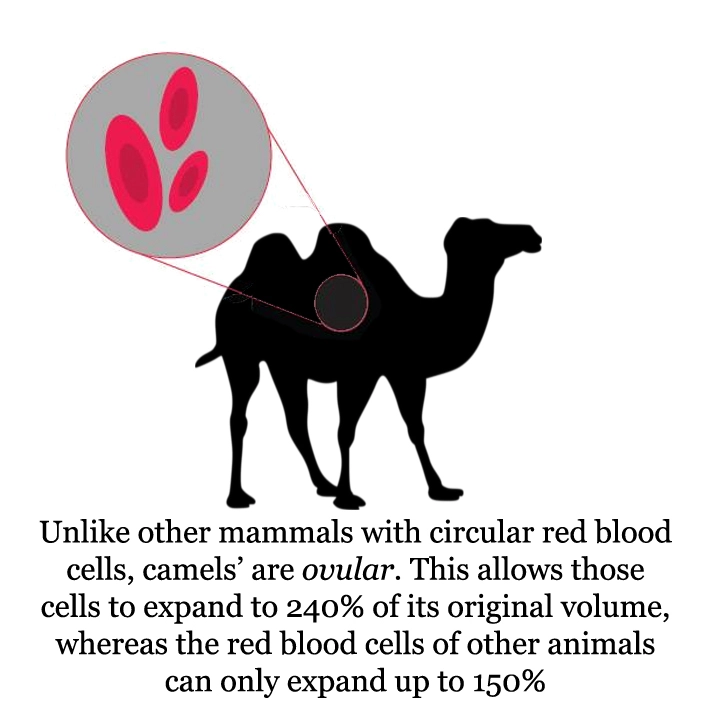
Camels have long been celebrated for their resilience, endurance, and vital contributions to human societies …

Local livestock breeds represent decades (often centuries) of adaptive breeding and knowledge. With ~20% of breeds threatened, we risk losing genetic tools vital for resilience in an uncertain climate. This piece outlines policy- and market-based steps to support pastoralists and conserve breed diversity. https://arkbiodiv.com/2025/08/21/pastoral-guardians-how-herders-protect-livestock-diversity-and-our-food-future/ CTA: Read the article and join the conversation.

Although the proper treatment of diabetes includes insulin injection continuously to maintain blood glucose level, …

When we think of architecture today, we often imagine towering buildings, sleek designs, and artificial …

Written by: Marine Ludwikowski Sahara Sahel Connecting | consultant & translator Sahel West Africa | …
M denine, Tunisia: Deep in Tunisia s desert south, camels stride toward humming milking machines. …

1. Contributions to Camel Research and Dairy Development Dr. Abdul Raziq Kakar is a renowned …

This morning, I had the joy of visiting a group of adorable camel calves. As …

The Brela camel, a distinguished indigenous breed of Pakistan, has its ancestral roots in the plains of central Balochistan, particularly in the fertile tract stretching between Sibi and Nasirabad. Over time, its habitat extended into the riverine regions of southern Punjab, especially the fringes of the Cholistan Desert, and parts of Sindh. Unlike camels adapted to the arid cores of Balochistan or the deeper deserts of Cholistan, the Brela camel favors semi-arid, river-fed landscapes that provide a more hospitable environment and richer forage.

Originating from Serbia's Zasavica Special Nature Reserve, pule cheese commands a staggering price of €1,000 per kilogram (~$1,100), making it the most expensive cheese globally. This rarity is attributed to its labor-intensive production and the scarcity of donkey milk Donkeys yield less than a liter of milk daily, and approximately 25 liters are required to produce just one kilogram of cheese. Moreover, the milking process is manual, as there are no machines designed for donkeys.

Quote reference as Raziq, A. (2025). Eremobium aegyptiacum: A resilient bloom in the heart of …

Abstract Lactoferrin, a multifunctional glycoprotein abundant in camel milk, exhibits significant antimicrobial properties. This article …

World Donkey Day, observed annually on May 8th, is a significant occasion to honor the contributions of donkeys (Equus asinus) to human society. These resilient animals have played a crucial role in agriculture, transportation, and livelihoods across diverse cultures and geographies. Despite their historical and economic importance, donkeys often face neglect, overwork, and inadequate welfare conditions. This manuscript explores the history, ecological and socio-economic significance, conservation needs, and the future of donkeys, advocating for their recognition and sustainable management.

Indigofera articulata Gouan Synonyms Indigofera argentea Common names Humeira, Indigofera glauca, Scarlet pea General Information Indigofera …

Desert is not a wasteland Yes, the desert is not a wasteland but a rich …

The Role of Indigenous Knowledge Yes, Indigenous wisdom or traditional knowledge is the outcome of …

There are many questions Why the flowers are so beautiful?Why do the flowers have fragrance?Why …

The beautiful Temple flora is called Plumeria and is also known as Frangipani. I love …

We Celebrated a Fantastic World Camel Day in Alain Farms for Livestock Production Alain. Thanks …

It is the ideal time to visit the facility that processes camel milk and the camel farm if you are in Alain. Alain Farms for Livestock Production has arranged a fantastic event to commemorate World Camel Day. I kindly want you to come to this significant occasion.

Euphorbia hirta, commonly known as Asthma weed is a herbacious weed with some amazing medicinal qualities. It is use as a tea as well.

Grazing is blessing, the nature is beautiful with the natural creatures
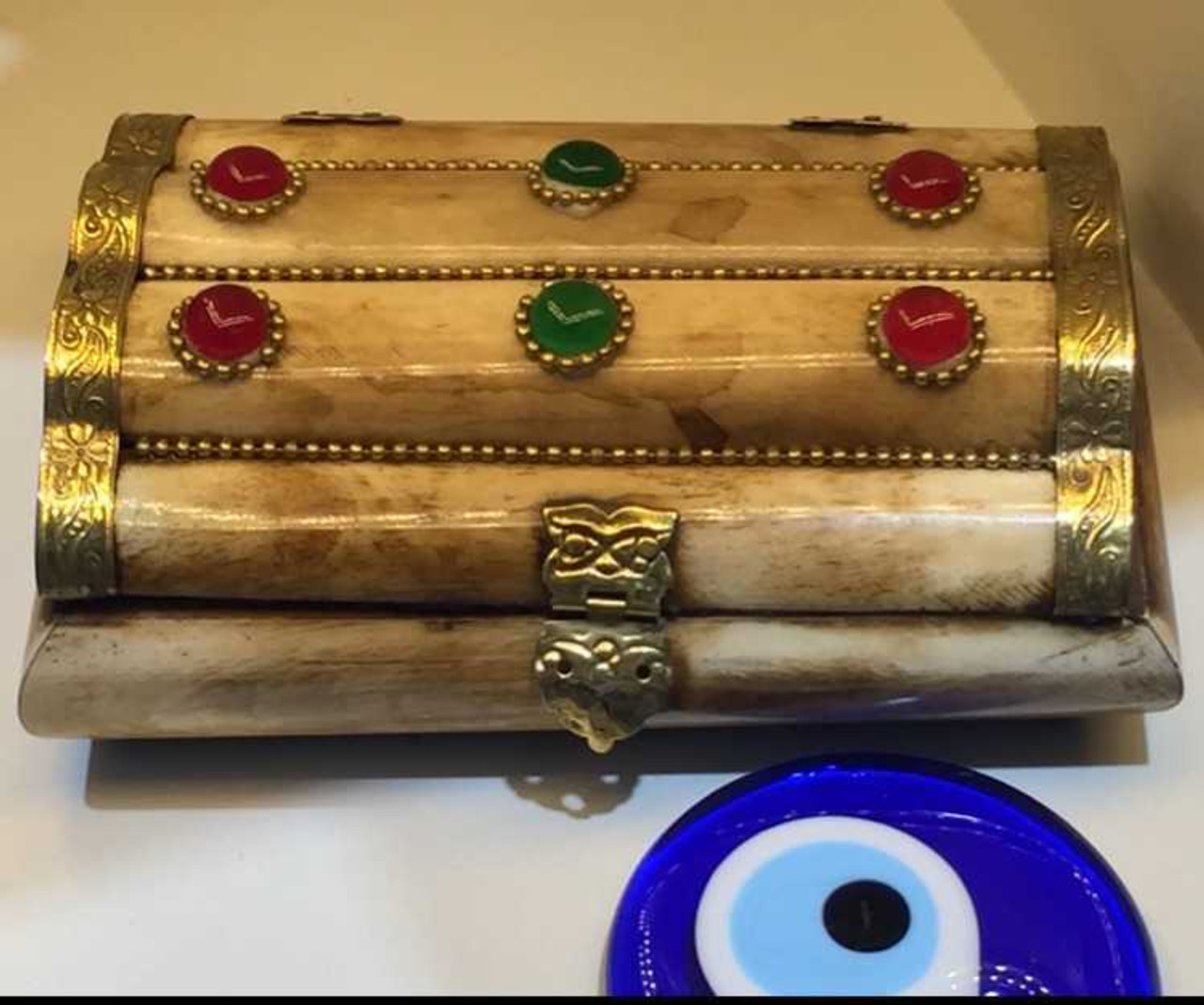
Because camel bone is denser than ivory and has a high sheen when polished, carvers much prefer it because it feels and weighs like elephant ivory. Therefore, camel bone works well while crafting jewelry.

Camel wool can be the best mulching agent. I also suggest to use it in the tunnel farming as a peat material. I would love to hear from the people with experience in horticulture, especially the tunnel farming.

The wool has created a densely woven blanket that is difficult to separate or sort out. As camels have protective outer coats of coarse fiber that may grow as long as 15 inches (40 cm). The fine, shorter fiber of the insulating undercoat, 1.5–5 inches (4–13 cm) long, is the product generally called camel hair, or camel hair wool.
Professor Kakar, a pioneer in Camelology, has dedicated his life to studying and advocating for camels, unlocking the secrets of their unique adaptations and their critical role in desert ecosystems. His research has opened our eyes to the incredible biodiversity of desert areas, often misunderstood and overlooked.

The camels have great night vision. Yes, the camel can see in the night.

There is no need for watering as the native flora is highly drought tolerant and can survive years without rains. The native flora can be planted in any type of soil as they are highly salt tolerant in nature

"Salalah is capital of Dhofar mountainous region in Oman. Salalah is the habitat of a rich biodiversity (plants & animals and soil microbiome. Camels in Salalah are especially distinct as locals raise them for milk, meat, and wool. These creatures are well-adapted to withstand both the hot and dry desert, as well as the rainy season. You will notice huge mounds of Termites in the region. Termites play a vital role in breaking down woody material into compost for the enrichment of the soil and some animals (gut microbiome in camels). They form large piles of dirt, which camels sometimes consume to aid in digestion. For a more in-depth understanding of Shalala’s features, pictures and other explanations are available for your perusal and edification."

Each year World Camel Day is celebrated on 22nd June (the longest and hottest day …

Grow and produce your own food is the only solution left for the people health and wellbeing of the Mother Earch. Here are some valid arguments that how regenerative farming works and support the nature and biodiversity.