
The Karir tree (Capparis decidua), locally known as Karir, Kirar, or Karira, is one of the most remarkable wild trees of arid regions. Found across Pakistan, India, Sudan, and Saudi Arabia, this hardy species thrives where little else can survive. Once established, it depends only on rainfall, making it ideal for large-scale cultivation in semi-arid and desert landscapes.

An Overlooked Opportunity in Pakistan
In Europe, Karir products are in surplus demand, with advance payments made months ahead. Yet in Pakistan, despite its natural abundance, the tree remains underutilized due to lack of awareness. Cultivating Karir on a commercial scale could bring economic, ecological, and health benefits to local communities.
A Tree of Many Gifts
Karir is more than a survivor—it is a restorer of ecosystems and a provider of livelihoods.
- Ecological value: It prevents soil erosion, enriches biodiversity, and provides fodder for livestock.
- Cultural value: In Thar, its flowers brighten the desert each spring, while its pods are prepared into the famous Thari achar pickle, loved far beyond the region.
- Medicinal value: From cough, asthma, and tuberculosis to diabetes, arthritis, and digestive problems, almost every part of the tree—flowers, pods, seeds, leaves, and wood—has therapeutic uses in ethno medicine and is supported by modern research for its antioxidant and antidiabetic properties.
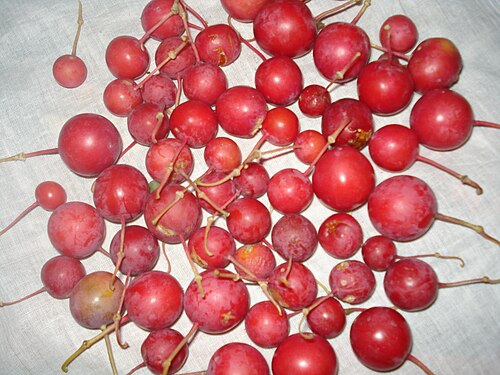
- Nutritional value: Its flowers, pods, and fruits are consumed as curries, pickles, and even preserved as gulkand (a sweet herbal preparation).
An Ancient Healer for Modern Times
Scientific studies confirm that Karir contains amino acids, fatty acids, tocopherols, sterols, alkaloids, and phenolic compounds—nutritional and medicinal compounds that make it a powerful antioxidant and natural remedy. Its wood produces premium charcoal, used traditionally to strengthen bones and heal fractures.
Revitalizing Landscapes with Karir
Beyond food and medicine, Karir is a tree of resilience. Its ability to survive extreme drought while nourishing people, animals, and ecosystems makes it a perfect candidate for reforestation and climate adaptation strategies in Pakistan and beyond.
Karir is not just a wild shrub—it is a heritage tree that embodies the wisdom of traditional knowledge, the promise of ecological renewal, and the potential for sustainable livelihoods. Planting and protecting Karir can transform degraded lands into thriving ecosystems, while reconnecting us with nature’s healing gifts.
