
Written by: Marine Ludwikowski
Sahara Sahel Connecting | consultant & translator Sahel West Africa | trading Tuareg jewelry from Niger | adventure traveller 13700km by ‘road’ across the Sahel | She focus on the Sahel, Sahara, Niger, Tuareg & Camels
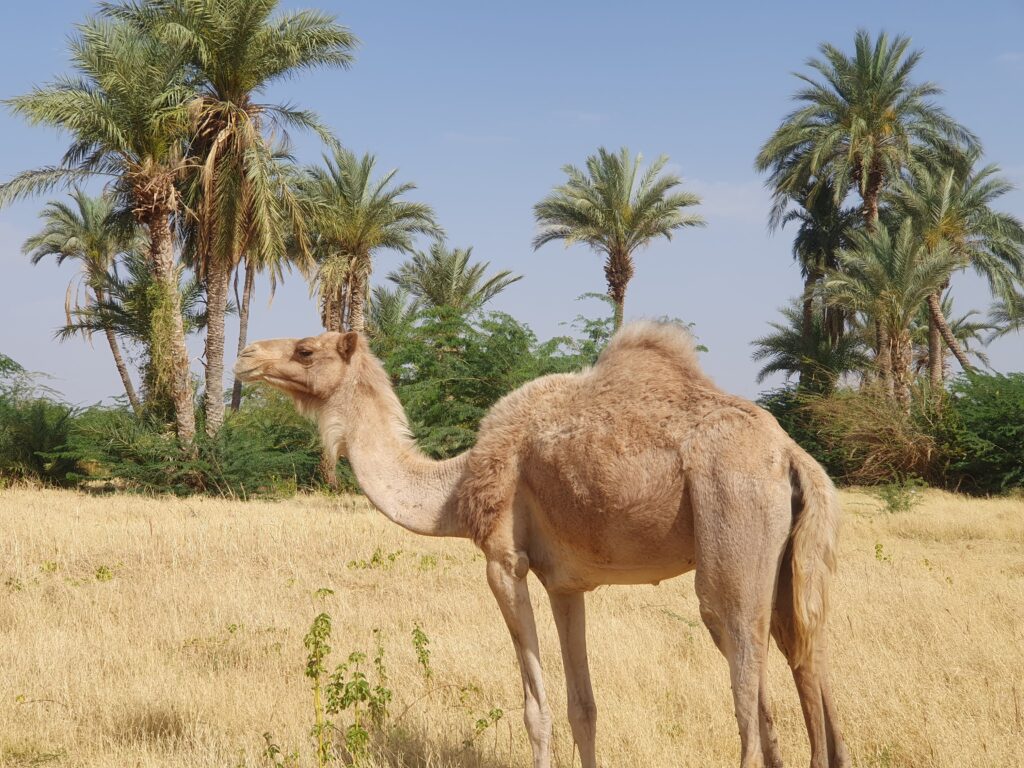
It was the year 2020. The world had come to a standstill due to the global pandemic. As borders closed and uncertainty spread like dust in the wind, fate carried me deep into the heart of the Sahara desert in Niger where I found myself among the Tuareg nomads – The legendary ‘Blue Men of Sahara desert’. Their lives, shaped by the ever-shifting sands, by severe drought, revolve around a single sacred companion: the camel.

To the Tuareg, camels are far more than just beasts of burden; they are a lifeline in an unforgiving land. Their milk provides nourishment, sustenance and healing. One of their proverbs encapsulates this ancient wisdom:
“Aman iman, akh issudar.” meaning “Water is life, milk is food.”
Unlike anything found in a supermarket, camel milk is revered for its nourishing and medicinal properties. Rich in healing properties, it is known to help with digestive issues, metabolic imbalances and immune deficiencies – conditions that modern medicine often struggles to treat. It was in this remote sanctuary of tradition that I took my first sip of this creamy, slightly salty white nectar. At the time, it was simply a drink. Little did I know that this ancient remedy would one day play a pivotal role in my personal battle against disease and become central to my own healing journey.

Science Meets Tradition: Camel Milk’s Healing Powers
A year after my return, I was blindsided by a severe flare-up of colitis. The pain was relentless. Conventional medicine only offered temporary relief, but not true healing. Desperate for a solution, I remembered the Tuareg’s wisdom and wondered: Could camel milk succeed where pharmaceuticals had failed?
I began researching and uncovered an astonishing body of scientific evidence supporting what desert nomads had known for millennia.
1. A Natural Anti-Inflammatory Powerhouse
Inflammation is at the root of many chronic diseases, particularly autoimmune conditions such as inflammatory bowel disease (IBD). Camel milk contains a unique blend of bioactive compounds that actively combat inflammation:
- Lactoferrin – A potent antimicrobial and anti-inflammatory protein that helps to regulate the immune response and inhibit harmful bacteria.
- Immunoglobulins – Natural antibodies that strengthen gut immunity and repair mucosal linings.
- Lysozyme – An enzyme that neutralises pathogenic bacteria, maintaining a balanced gut microbiome.
A 2021 clinical study confirmed that IBD patients who incorporated camel milk into their diet experienced a marked reduction in inflammatory markers and symptom severity.

2. Healing the Leaky Gut
The gut lining acts as the body’s primary defence mechanism, but in conditions such as inflammatory bowel disease (IBD), it becomes damaged, resulting in increased permeability, commonly known as “leaky gut”. This allows toxins and undigested food particles to escape into the bloodstream and trigger chronic inflammation. Camel milk, however, offers a dual mechanism of repair:
- Strengthens tight junctions – Research indicates that camel milk proteins help to restore gut integrity by tightening the barrier between cells.
- Promotes beneficial bacteria – Unlike cow’s milk, which can exacerbate gut dysbiosis, camel milk fosters the growth of Lactobacillus and Bifidobacterium, which are essential for gut health.
3. Gentle on Digestion – Unlike Cow’s Milk
Many people with digestive disorders struggle to tolerate dairy products, largely due to the presence of lactose and A1 casein, both of which can trigger inflammation. Camel milk, however, stands apart:
- Naturally low in lactose, making it easier to digest.
- Contains A2 casein, which does not provoke the inflammatory response associated with cow’s milk.
4. Immunomodulation – Balancing, Not Suppressing
Pharmaceutical treatments for autoimmune conditions typically involve suppressing the immune system, which leaves the body vulnerable to infections. Camel milk, however, does the opposite: it regulates immunity, calming an overactive immune response without compromising the body’s overall defence mechanisms.
Studies show that camel milk increases the activity of T-cells and macrophages – immune cells that are crucial for fighting pathogens – while simultaneously reducing the excessive inflammatory response that is characteristic of autoimmune diseases.

A Journey to Healing: My Personal Protocol
In 2023, determined to take my health into my own hands, and to finally get rid of my moderate colitis, I returned to Niger and adopted a regimen inspired by Tuareg traditions:
Morning Ritual:
- One glass of fresh camel milk on an empty stomach – gentle yet deeply nourishing.
Meals:
- A nutrient-dense blend of millet porridge, camel milk and dates – a Saharan Sahelian superfood trio.
Throughout the Day:
- Small sips of camel milk between meals to continuously feed my gut with healing nutrients.
The Transformation
- Within six weeks, my abdominal pain had diminished and my digestion had improved.
- By three months, my lab tests showed a drastic drop in inflammation.
- At five months, I was medication-free since my first flare-up of colitis in 2021.
- Today, I remain in remission, thanks to a simple yet profound philosophy that has sustained my health: nourishment from nature, stress management and the wisdom of ancient traditions.
- Beyond Pharmaceuticals: A Message to IBD Warriors
- Camel milk is not a miracle cure, but for those facing the relentless battle of chronic illness, it is a powerful addition to the healing arsenal. If you are struggling with IBD, consider looking beyond the pharmacy and embracing the wisdom of nature.

Where to Start:
1. Try Camel Milk – If accessible, opt for fresh milk. If not, powdered or frozen varieties can still offer benefits.
2. Reduce Processed Foods – Inflammatory triggers such as refined sugar, gluten, and artificial additives hinder gut repair.
3. Incorporate Traditional Healing Foods – Bone broth, fermented vegetables, anti-inflammatory spices and other ancestral foods complement the effects of camel milk.
4. Trust the Process – Healing is a journey. Listen to your body, make gradual changes and be patient.
Final Thought: The Desert Knows Best
The Tuareg say:
“The camel is the ship of the desert, and its milk is the treasure it carries.”
For centuries, they have thrived in one of the world’s harshest and abandoned landscapes, thanks to this remarkable elixir. Now, as modern science uncovers its extraordinary properties, the world is beginning to recognise what the desert nomads have always known.
For those battling chronic illness, hope exists beyond the walls of a hospital. Sometimes, the answers lie in the wisdom of the past, hidden in the vast, golden sands of the Sahara desert.

References:
1. Raziq, A. (2025). Camel Milk: A Revolutionary Elixir for Gut Health and Immunity.
2. Al-Ayadhi et al. (2021). Camel Milk Reduces Inflammation in IBD Patients. Journal of Ethnopharmacology.
3. Zibaee et al. (2015). Camel Milk and Gut Permeability. International Journal of Molecular Sciences.
4. Shabo et al. (2005). Camel Milk as a Probiotic. Journal of Medicinal Food.
5. Mullaicharam (2014). Immune-Modulating Effects of Camel Milk. Emirates Journal of Food and Agriculture.
Disclaimer: This is based on my personal experience. Always consult a healthcare professional before making any dietary changes.
