
Origins and Habitat of the Brela Camel
The Brela camel, a distinguished indigenous breed of Pakistan, has its ancestral roots in the plains of central Balochistan, particularly in the fertile tract stretching between Sibi and Nasirabad. Over time, its habitat extended into the riverine regions of southern Punjab, especially the fringes of the Cholistan Desert, and parts of Sindh. Unlike camels adapted to the arid cores of Balochistan or the deeper deserts of Cholistan, the Brela camel favors semi-arid, river-fed landscapes that provide a more hospitable environment and richer forage.
During my encounters with Baloch camel herders—primarily elders—at the Sibi Livestock Show in Balochistan and subsequent meetings with Jaths (local camel herders), they recounted a fascinating historical migration. The Rind Baloch tribe, led by the legendary warrior Mir Chakar Khan, crossed the Indus River with their prized Brela camels into the Indian subcontinent. While some herders returned to Balochistan, most settled permanently in Punjab and neighboring Sindh, establishing their herds along the fertile banks of the Indus, Chenab, and Sutlej rivers. These camels became indispensable to agrarian and trade communities, prized for their strength as draft animals and their nutrient-rich milk, which sustained the tribe.
Over time, the original Brela camel underwent genetic changes due to interbreeding with camels brought by Hajj pilgrims, gradually evolving into the Jathnasal or Raidi breed. This shift reflects both adaptation and the cultural exchanges along historic trade routes. For further insights, the blogs of Dr. Raziq, a noted expert on camel breeds and pastoralist traditions, may offer detailed references supporting this narrative. The story underscores the Baloch’s enduring pastoral legacy, even as their linguistic and cultural practices assimilated into Punjab’s fabric over centuries.
Historically, Brela camels—especially the large-framed, muscular males—played a pivotal role in Pakistan’s agrarian and urban economies. Before the mechanization era, these powerful animals were used extensively to plough fields, transport goods on carts, and draw water from deep wells. Their remarkable strength, resilience, and adaptability made them a cornerstone of rural livelihoods.
In the present day, the Brela camel remains an integral part of local pastoral economies through seasonal migrations that align with ecological cycles and economic opportunities. These transhumant patterns are especially evident during Urs festivals, where herders gather to trade and celebrate, forming social and economic hubs. Notably, women of the Brela herding communities play an essential role in this evolving dynamic. During migrations, they strategically bring lactating camels closer to urban peripheries and roadside markets, capitalizing on the rising demand for camel milk. it is now a viable source of income, especially for women who often sell significant quantities daily thanks to the breed’s exceptional milk yield and reputation for quality.

A deeper cultural and ecological perspective on Brela breed is explored in this article on the Arkbiodiv platform, which traces its origins and traditional roles. Moreover, this updated piece illustrates how pilgrim networks and socio-religious movements have helped reshape and spread the Raidi (Brela) breed’s reach and reputation.
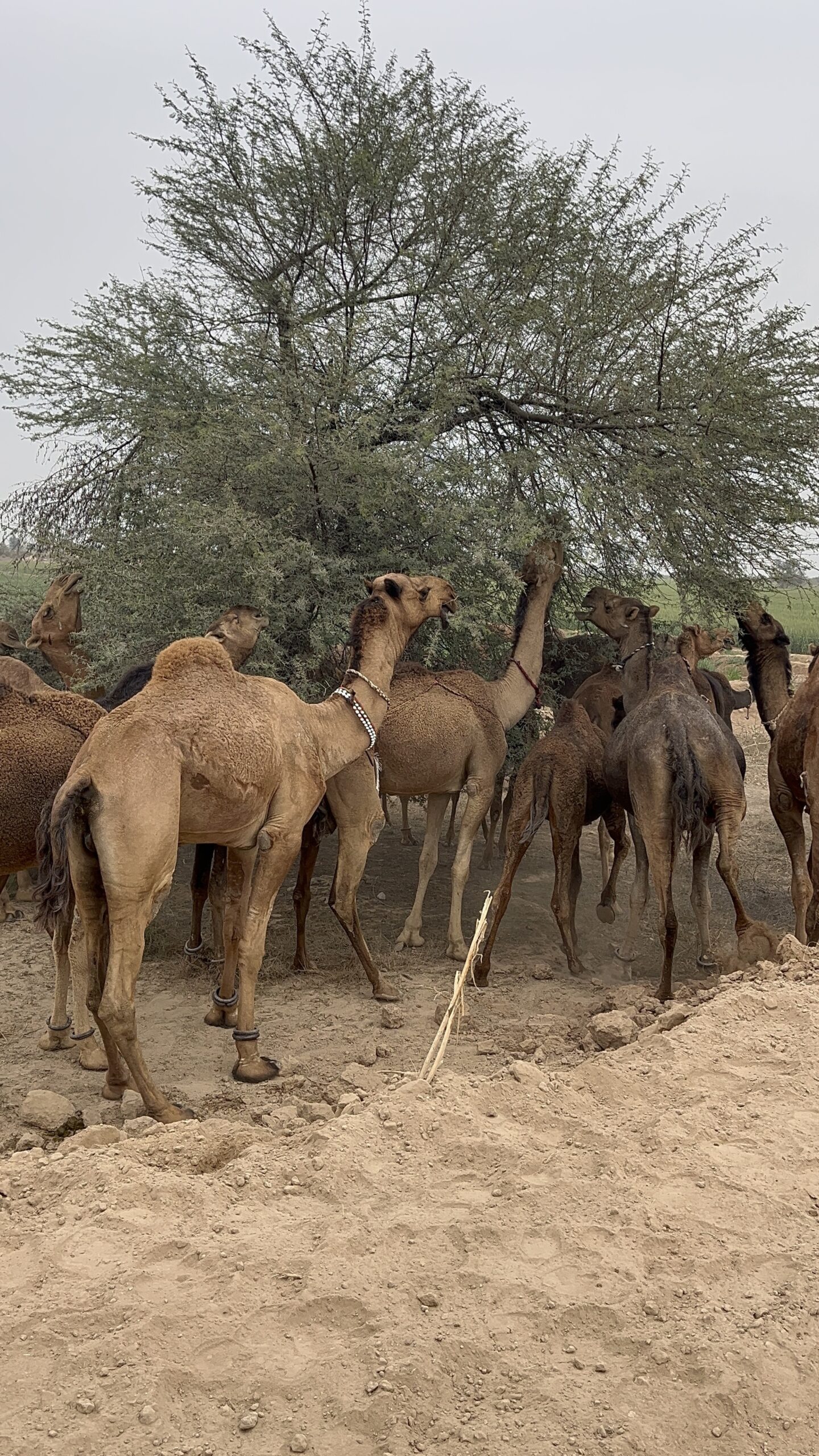
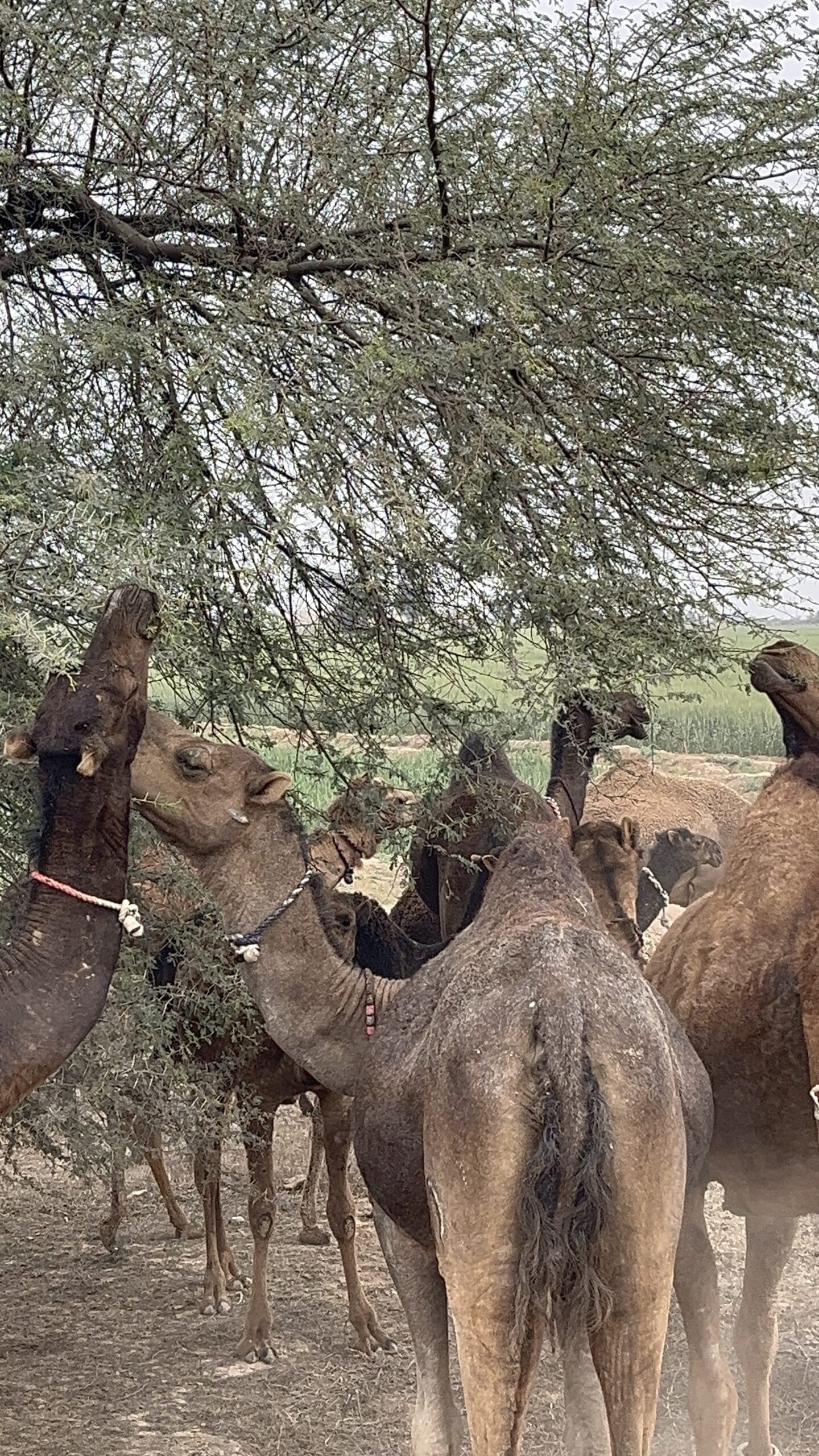
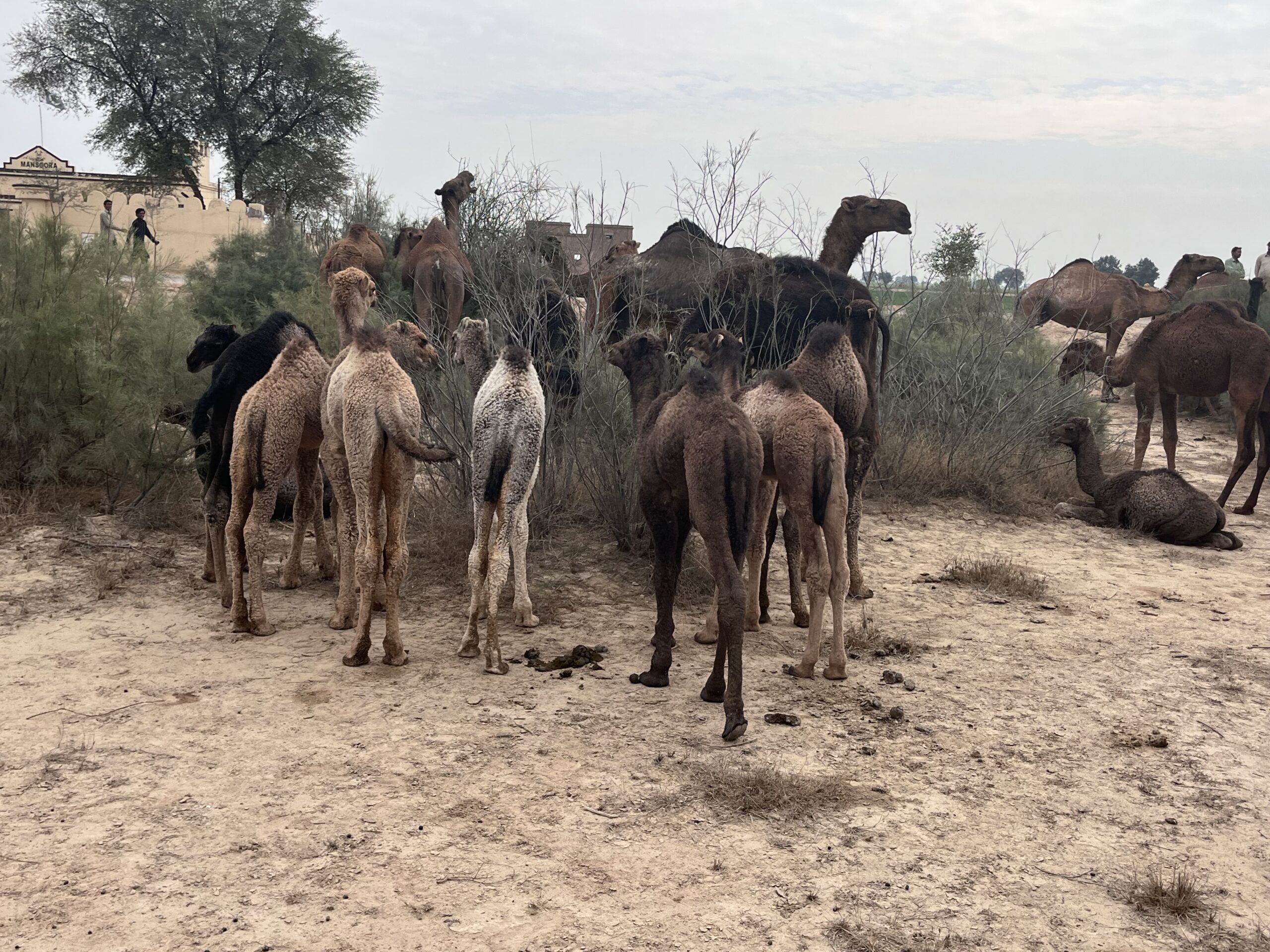
Diet plays a key role in the breed’s health and productivity. The Brela camel feeds on a mixture of native desert shrubs and trees—such as Acacia, Prosopis, and Tamarix—as well as cultivated fodder when available. This varied diet ensures robust physical condition, disease resistance, and high milk quality. The relationship between the herders and their animals is more than economic; it is a deeply cultural and interdependent bond, refined over generations through traditional ecological knowledge and pastoral care. Additional details on sustainable livestock management and the role of camel breeds like the Brela in arid ecosystems are provided in this comprehensive report on the potential of Balochistan’s livestock breeds.
In a broader context, the Brela camel symbolizes the intersection of tradition and innovation. Once relied upon solely for physical labor, this breed has reemerged as a sustainer of modern livelihoods through its milk—nourishing both rural families and urban consumers. Its ongoing significance in festivals, trade routes, and health-conscious markets underscores its evolving role in Pakistan’s pastoral heritage, while preserving its cultural and ecological legacy.

1. Distinctive Features: Built for Milk and Survival
Physical Traits
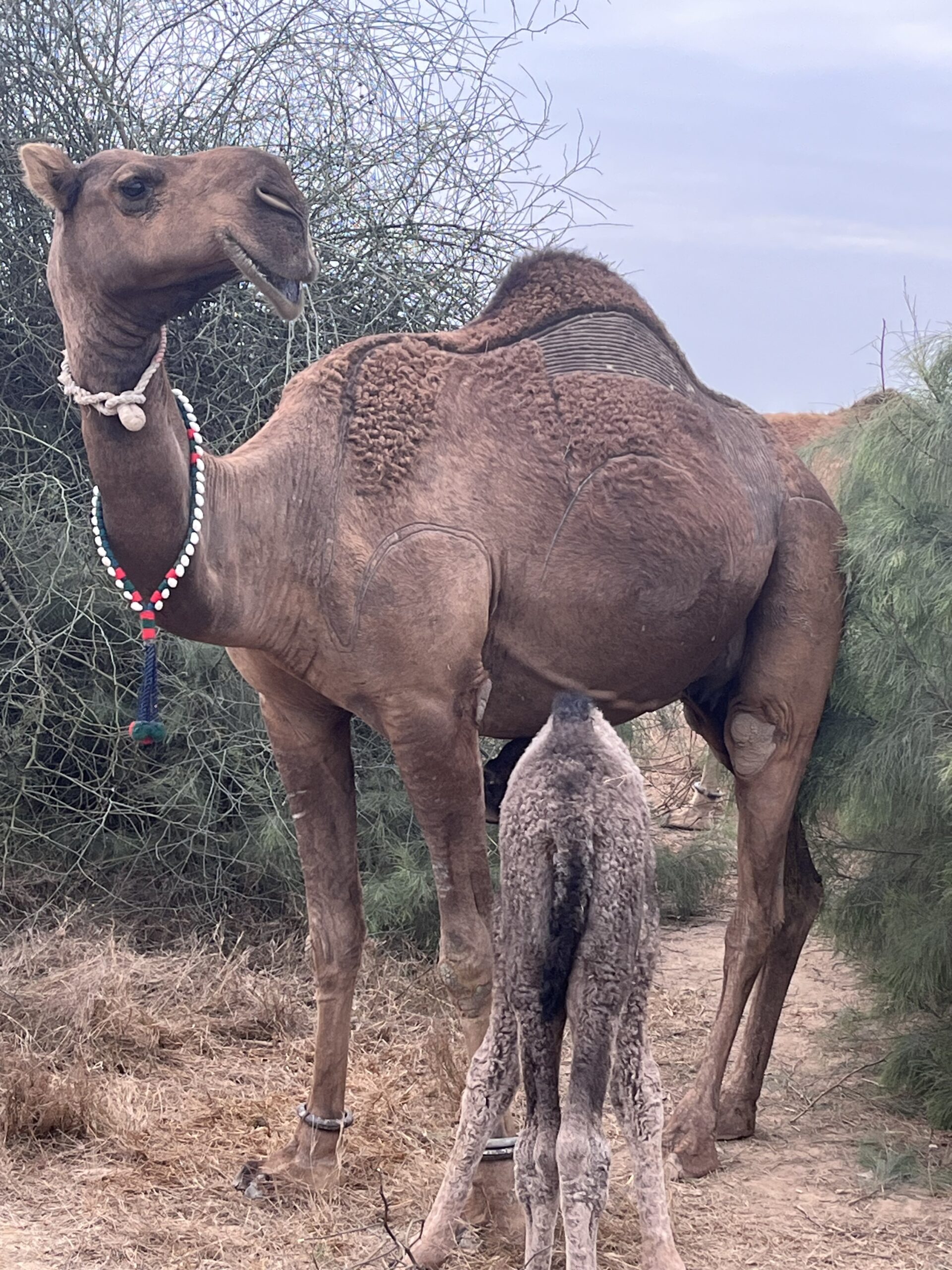
The Brela camel is a strikingly powerful and regal breed, renowned for its muscular build and commanding presence. These camels possess broad, well-developed chests and thick, robust necks, giving them an imposing stature. Their deep, dark coats—ranging from rich brown to near-black—serve a functional purpose by minimizing heat absorption in the harsh desert climate, while also enhancing their striking appearance. Among their most distinctive features are their pendulous, expressive lips and gracefully dome-shaped heads, which lend them an air of nobility. Their large, high-set eyes radiate intelligence and alertness, reflecting the breed’s sharp instincts and adaptability. Widely regarded as one of Pakistan’s most beautiful camel breeds, the Brela is not only admired for its aesthetics but also valued for its endurance and strength. Whether traversing arid landscapes or serving as a vital asset in agricultural work, the Brela camel remains a testament to both form and function—a true embodiment of resilience and elegance.
2. Milk Production: The “Holstein of Camels”
Dairy Excellence
The Brela camel stands out among camel breeds for its exceptional milk production, earning widespread recognition in Pakistan’s pastoral communities. Raised under traditional systems that depend entirely on natural rangeland grazing, a healthy Brela she-camel can consistently produce 10 to 35 liters of milk per day. What’s even more impressive is that this level of productivity is achieved without supplemental feeding. In one notable case, a single camel was recorded producing 23.24 liters within 36 hours, fueled solely by indigenous vegetation such as Acacia, Tamarix, and Prosopis.
This remarkable performance underscores the breed’s evolutionary adaptation to arid zones and its efficiency in converting sparse, hardy flora into highly nutritious milk. Adding to its value is the unusually long lactation period, which can extend up to 18 months—a rare and highly beneficial trait among camel breeds. This sustained milk output is a critical asset for nomadic and semi-nomadic households, ensuring a steady source of nutrition and income, especially through urban milk markets and roadside sales.
With its high yield, resilience, and economic reliability, the Brela camel plays a pivotal role in enhancing food security and livelihood sustainability in the demanding terrains of Balochistan and southern Punjab.

The Premium Dairy Breed Powering Modern Camel Milk Industry
The Brela camel is gaining international recognition for its exceptional dairy qualities. Brela camels are distinguished by their high milk production and strong adaptability to new environments. These camels are not only hardy but also highly intelligent, capable of learning quickly and responding positively to structured routines. In my personal experience managing Brela camels in a herringbone milking parlor, I found them to be remarkably calm, polite, and easy to train. Unlike other breeds that may resist mechanical milking, Brela camels adapted smoothly to the system, showing no signs of stress or behavioral issues.
Their behavior and trainability make them ideal candidates for integration into modern, technology-driven dairy farming systems. This adaptability, combined with their consistent milk yield and cooperative nature, highlights the Brela camel’s potential to support commercial camel dairies well beyond their native regions. As interest in alternative dairy sources continues to grow globally, especially in arid and semi-arid regions, the Brela camel stands out as a valuable genetic resource for sustainable and efficient dairy production. arkbiodiv.com
The Brela camel has become the linchpin of modern camel dairying, with its superior milk yield, adaptability, and calm disposition making it the preferred breed for commercial dairy farms. As reported by Kursiv Media Kazakhstan (2024), this potential has captured international interest, particularly through a groundbreaking Qatar-Kazakhstan partnership. A Qatari investor, recognizing the Brela’s unmatched dairy qualities, imported the breed from Pakistan to establish a nucleus herd, employing advanced reproductive technologies like embryo transfer to rapidly scale production. This initiative is now expanding into Kazakhstan’s emerging camel dairy sector, where Brela genetics are being used to develop a dry camel milk industry targeting the lucrative Chinese market—capitalizing on strong trade relations between the two nations (Kursiv Media Kazakhstan, 2024).
The Brela camel has emerged as a cornerstone in the evolution of the global camel dairy industry, particularly within the Gulf Cooperation Council (GCC) countries. Renowned for its exceptional milk-producing capabilities, the Brela’s genetic lineage is a significant contributor to the high-yielding dairy camels prevalent in the GCC. This infusion of Brela genetics has been instrumental in enhancing milk production efficiency and adaptability in arid environments.

As the global demand for camel milk surges—driven by its recognized health benefits and suitability for lactose-intolerant individuals—the Brela camel stands out as the breed best equipped to meet commercial needs while maintaining genetic resilience. Its ability to thrive on natural grazing and produce substantial milk quantities without supplemental feed underscores its value in sustainable dairy farming practices.
From the riverine plains of Pakistan to technologically advanced dairy farms in the GCC and Central Asia, the Brela camel is redefining the industry. Its integration into modern breeding programs exemplifies a successful fusion of traditional pastoral knowledge with contemporary agricultural innovation. This transformation positions the Brela not merely as a regional asset but as a pivotal driver of sustainable, global camel milk production.
As global interest in camel milk grows, the Brela camel stands at the forefront, bridging traditional pastoral practices with modern health-conscious markets. Moreover, as the global camel milk market grows, Brela camels are becoming key players in a rising bioeconomy, linking pastoral communities with niche health-conscious markets abroad. The breed has also attracted attention at camel milk competitions, drawing investment and conservation interest.



Cultural Keystone
In Pakistan’s pastoral communities, the Brela camel is much more than an animal—it is a symbol of pride, beauty, and tradition. During festivals and recreational events, these camels are celebrated in a variety of ways. For example, in camel dancing, the animals are beautifully decorated with colorful ornaments and move gracefully to traditional music. In camel riding contests, skilled riders show off their strong bond with these majestic creatures. And in camel wrestling matches, the camels demonstrate their power and endurance as large, excited crowds watch. These simple yet exciting activities help to keep the rich cultural heritage alive while highlighting the camel’s important role in community life.

Ecological Sustainability
Camels play an impressive and consistent ecological role across various ecosystems, acting as natural facilitators for environmental balance. They help spread seeds, stimulate plant growth with their salivary enzymes, and improve the soil microbiome through nutrient-rich manure balls (CMB). Dr. Abdul Raziq’s work, detailed in his LinkedIn article “Amazing Role of Camel Manure Balls (CMB) in the Ecosystem” (https://www.linkedin.com/pulse/amazing-role-camel-manure-balls-cmb-ecosystem-abdul-raziq-xesrf/), demonstrates that these naturally formed manure balls significantly enrich nutrient-poor soils by boosting microbial diversity and enhancing soil structure and fertility. Complementary research on ResearchGate (https://www.researchgate.net/publication/340817169_Camel_as_seed_disperser_in_the_northern_Sahara_rangelands_of_Algeria) highlights the role of camels as effective seed dispersers in the northern Sahara, which aids the regeneration of native plant species. Further support is provided by a study published in New Phytologist (https://nph.onlinelibrary.wiley.com/doi/10.1111/nph.14859), which underscores how the nutrients from camel droppings are crucial for developing robust plant communities in harsh, arid climates. My own experience with camel grazing in a nearly barren desert in Al Ain, UAE, confirmed these findings—within three years, both the number and diversity of flora increased manifold. Clearly, camels are incredible ecological players, a quality equally true for the Brela camels in their native environment.

3. Challenges & Conservation
Rising Threats
The Brela camel, a vital genetic resource in Pakistan’s arid regions, faces multiple threats that jeopardize its survival and the livelihoods of pastoralist communities.
Encroachment on Grazing Lands
In the Lesser Cholistan, traditional grazing areas are diminishing due to the expansion of corporate agriculture. This not only threatens the Brela camel’s habitat but also endangers the unique floral biodiversity of the region SpringerOpen. Corporate farming in Cholistan region causing another dillemma in Sindh province. The water scarcity is intensifying, with peasants in Sindh protesting to protect their water rights. Projects like the proposed Cholistan Canal are seen as threats to Sindh’s water share, leading to widespread demonstrations.The Express Tribune+1The Express Tribune+1
Infrastructure Development
Modern infrastructure, particularly motorways, is being constructed without considering traditional camel migration routes. This disrupts the natural movement patterns of camels and poses risks to their welfare .journals.squ.edu.om
Lack of Institutional Support
Camel pastoralists often lack representation in policy-making forums, resulting in minimal support for their needs. This includes inadequate access to education for their children, leading younger generations to seek livelihoods outside pastoralism SpringerOpen. Addressing these challenges requires inclusive policies that recognize the importance of the Brela camel and support the communities that depend on them.

Revival & Action
Revitalizing the Brela camel breed and safeguarding the pastoralist way of life necessitates a multifaceted approach that honors traditional knowledge while embracing modern innovations.
1. Recognition of Grazing Rights
A fundamental step is to legally recognize and protect the traditional grazing lands of camel herders. The encroachment of corporate agriculture into these areas, particularly in regions like Lesser Cholistan, threatens not only the Brela camel’s habitat but also the rich biodiversity of the area. Ensuring access to these lands is crucial for the survival of both the camels and the communities that depend on them.
2. Inclusive Policy Development
Incorporating camel pastoralists into policy-making processes is essential. Experts like Dr. Abdul Raziq Kakar advocate for community-based breeding programs and the development of bio-cultural protocols that empower herders to have a say in decisions affecting their livelihoods. Such inclusion ensures that policies are grounded in the realities of those they impact.
3. Market Access and Value Addition
Bridging the gap between camel herders and markets can be achieved by minimizing intermediaries and promoting camel products as niche items linked to cultural conservation. Initiatives like Camel Carishma Dairy’s camel milk processing in Kumbalgarh Rajasthan, India, demonstrate the potential for value addition and direct market access, benefiting both producers and consumers.
4. Health Services and Economic Support
Providing veterinary services and economic assistance can prevent herders from selling their camels out of necessity. Establishing camel product businesses and facilitating disease control measures are vital steps in supporting the economic stability of pastoralist communities.
5. Regulated Brela Camel Export
To preserve the Brela camel’s genetic integrity, it’s advisable to regulate their export. Limiting annual exports to a sustainable number, such as 3,000 camels, can prevent overexploitation while allowing for controlled dissemination of this valuable breed.
6. Educational Opportunities for Pastoralist Youth
Investing in education tailored to the needs of pastoralist communities can encourage younger generations to continue traditional practices. By integrating modern education with indigenous knowledge, youth can be empowered to innovate within their cultural frameworks.

Conclusion: A Legacy Worth Preserving
The Brela camel embodies more than just exceptional dairy productivity; it is a living testament to cultural heritage, ecological resilience, and sustainable livelihoods. In an era marked by climate change and food insecurity, the Brela’s ability to thrive in arid environments and provide nutritious milk positions it as an invaluable asset for communities across Pakistan and beyond. As global interest in camel milk grows due to its health benefits and adaptability, the Brela camel’s genetic contributions are increasingly recognized in high-yielding dairy herds. However, this rising demand must be balanced with conservation efforts to prevent overexploitation. Implementing regulated export policies, such as capping annual exports, can help maintain the breed’s genetic integrity.
Preserving the Brela camel’s legacy requires a multifaceted approach: safeguarding traditional grazing lands from corporate encroachment, integrating pastoralists into policy-making processes, facilitating market access for camel products, and providing education and economic support to herding communities. By valuing and empowering these communities, we not only protect a unique genetic resource but also uphold a way of life that harmonizes with nature. In the words of conservationist Dr. Ilse Köhler-Rollefson, the Brela camel is akin to the “Holstein-Friesian among camels,” offering high yields without the need for intensive farming practices. Its preservation is not just about sustaining a breed but about honoring a rich tapestry of cultural and ecological knowledge that has sustained communities for generations.?
Further Reading
The Dairy Camel’s Line of Brela
An insightful article by Dr. Abdul Raziq Kakar discussing the Brela camel’s exceptional milk production and its significance in pastoral communities. LinkedIn
Baloch | People, History, & Culture – Britannica
Baloch | People, History, & Culture | Britannica. (1998, July 20). Retrieved from https://www.britannica.com/topic/Baloch
Baloch (Uttar Pradesh) – Wikipedia
Baluch (Uttar Pradesh) – Wikipedia. (2023, October 18). Retrieved from https://en.wikipedia.org/wiki/Baluch_(Uttar_Pradesh)
Baloch People – Wikipedia
Baloch people – Wikipedia. (2025, April 8). Retrieved from https://en.wikipedia.org/wiki/Baloch_people
Balochi Horse: Balochistan’s Unique Equine Heritage – ARKBIODIV.COM
Balochi Horse: The Unique Equine Heritage of Balochistan – ARKBIODIV.COM. (2023, December 28). Retrieved from https://arkbiodiv.com/2012/03/19/balochi-horse/
Barela Camel, the Milk Line of the Camel’s World
This piece delves into the physical characteristics, milk yield, and the role of the Barela camel in the Cholistan desert’s pastoralist economy. arkbiodiv.com
Bios of Dr. Abdul Raziq Kakar – ARKBIODIV.COM
Bios of Dr Abdul Raziq Kakar – ARKBIODIV.COM. (2021, November 22). Retrieved from https://arkbiodiv.com/2011/11/28/my-bios-dr-abdul-raziq/
Camel Breeds of Cholistan (Punjab)
A forum discussion detailing various camel breeds in the Cholistan region, including insights into the Brela breed’s characteristics and uses. DefencePK
Camel4Life International – YouTube Channel
A YouTube channel dedicated to sharing information about camels, including their ecosystems, natural health, and the significance of camel milk. YouTube
Eye-Opening Facts About the Incredible Milk Production Potential of Brela Camel from Cholistan
A firsthand account highlighting the impressive milk-producing capabilities of the Brela camel, likening it to the Holstein-Friesian of the camel world. Medium
Milk Yield and Composition of Barela Dromedary Camel in Thal Desert
A scientific study analyzing the milk yield and composition of the Barela camel under traditional management practices. researcherslinks.com
Mir Chakar Rind – Wikipedia
Mir Chakar Rind – Wikipedia. (2025, January 4). Retrieved from https://en.wikipedia.org/wiki/Mir_Chakar_Rind
Rapid Change of Strategy is Necessary for Development of Pastoralism in Cholistan Desert
This article discusses the characteristics of Brela camels and the need for strategic development in pastoral practices. SpringerOpen
Rind (Tribe) – Wikipedia
Rind (tribe) – Wikipedia. (2024, November 12). Retrieved from https://en.wikipedia.org/wiki/Rind_(Baloch_tribe)
The Brela Camels of Cholistan Pakistan
A visual representation and brief overview of the Brela camels, emphasizing their multifaceted utility in pastoral societies. ResearchGate
