Author name: Dr Raziq Kakar

I'm Dr. Abdul Raziq Kakar, Ph.D. in Animal Agriculture, currently working as a Technical Manager at Al Ain Farms for Livestock Production, Camel Dairying (R&D), Alain, UAE. I have performed as a Professor and Dean, at the Faculty of Veterinary and Animal Sciences, Lasbela University of Agriculture, Water and Marine Sciences Pakistan (LUAWMS). My thematic area covers turning camel from a beast of burden to a sustainable farm animal, agricultural research policies, extensive livestock production systems, desert ecosystems, food security under climate change context, and sustainable use of traditional genetic resources for food and agriculture. I'm advocating camel under the theme of CAMEL4LIFE and believe in camel potential. Camel4life is a camel think tank with a website and WhatsApp group, advocating camel at the policy level. I'm the founder of World Camel Day and the Camel Association of Pakistan. I also work as a freelance scientist covering the above-mentioned thematic areas. I'm also doing camel dairying consultancies. I'm an ethnoecologist, ethnobotanist, Ethnovet, and ethnomedicine researcher and reviewer. I explore deserts and grazing lands for knowledge and understanding.

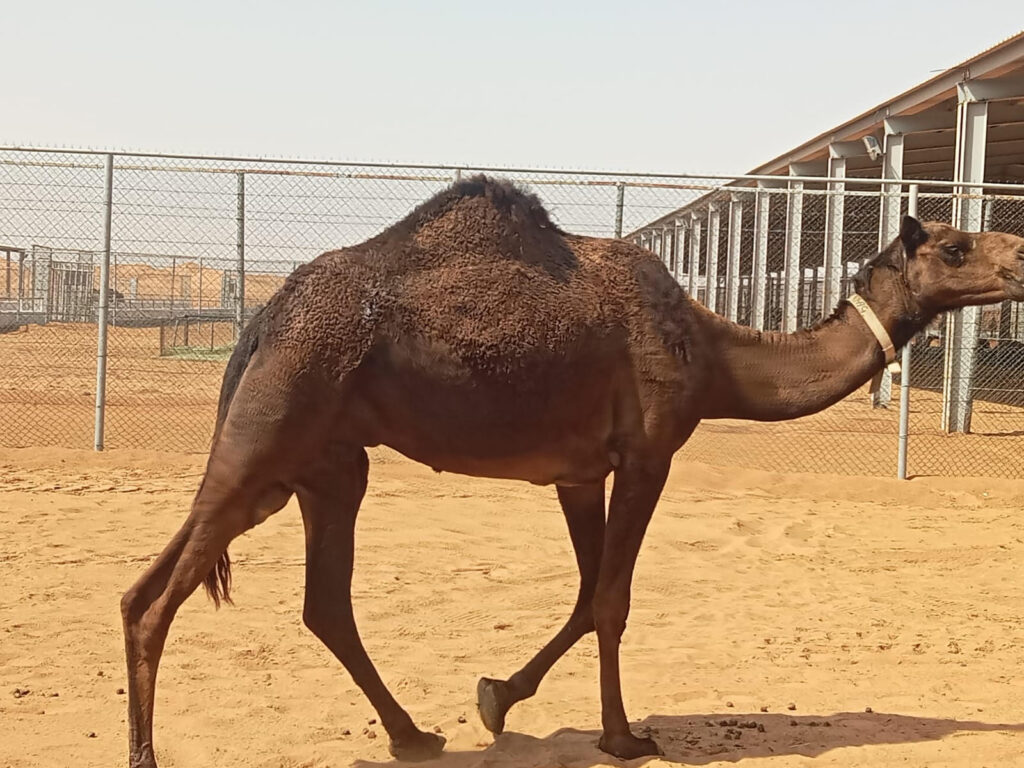
Camel with her calf

Camel Mammary Gland: A Model of Evolutionary Design, Immunity, and Climate Resilience

The camel mammary gland is a remarkable example of nature’s intelligence—designed to sustain milk production under extreme heat, water scarcity, and high microbial exposure. With its unique alveolar structure, calf-dependent milk let-down, and naturally high levels of protective proteins like lactoferrin, the camel udder represents a perfectly balanced system of productivity and immunity. As climate challenges intensify, understanding and adopting this biological model may hold the key to building resilient, sustainable dairy systems for the future.

Camel Mammary Gland: A Model of Evolutionary Design, Immunity, and Climate Resilience Read More »

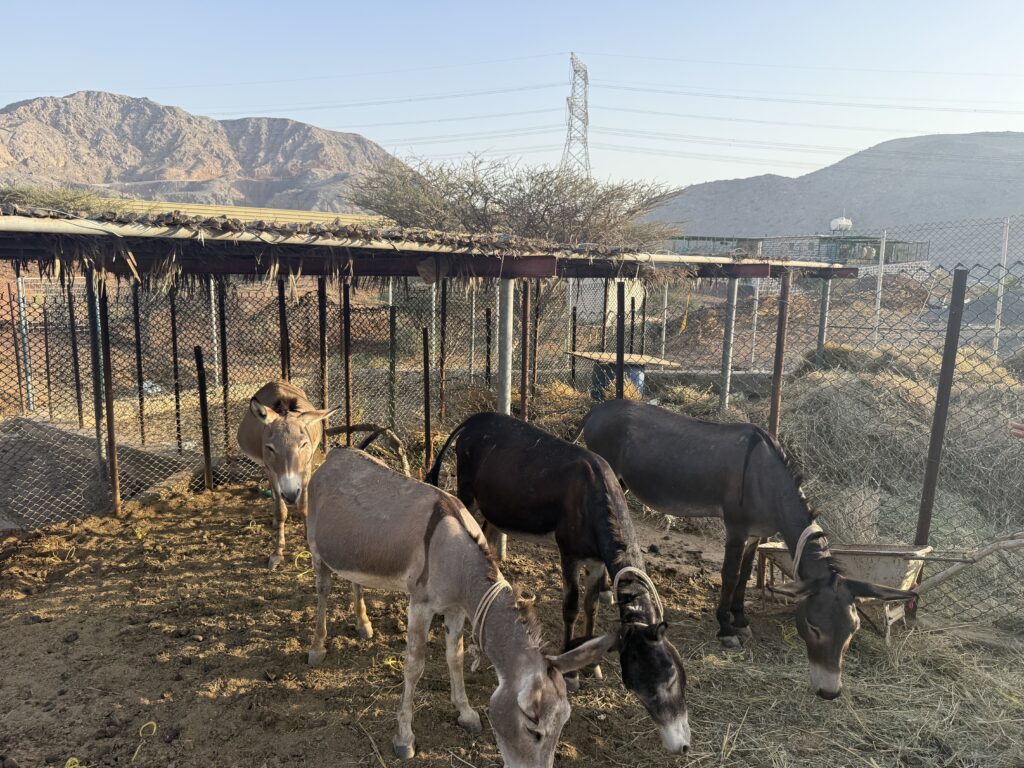
Native Donkey in Fujairah

Post–World Donkey Day 2026 Report

What I did on World Donkey Day 8 May this year 2026? , I visited Jabal Yibir in Al Al tawain, Fujairah, to observe donkeys used for local work. Donkey Day was also celebrated in different parts of the world, highlighting the importance of these animals in supporting livelihoods.
During my visit, I met four donkeys that were healthy, friendly, and well-adapted to the local environment. They play an important role in daily activities in the area, reflecting their value to the local community.

Post–World Donkey Day 2026 Report Read More »

A Pakistani groom gifted donkey foal as a marriage gift to his bride. Laila and Azlan Shah with the gifted donkey foal

Why Donkeys Matter: World Donkey Day (8 May)

Donkeys underpin rural livelihoods worldwide by supporting agriculture, transport, and water access, yet they remain largely excluded from livestock and development policies. This policy gap has contributed to welfare neglect and unsustainable exploitation, particularly through the global donkey skin trade. At the same time, emerging ethical value chains such as donkey milk offer viable, conservation‑linked livelihood opportunities. Integrating donkeys into livestock policy is essential for inclusive, resilient, and sustainable rural development.

Why Donkeys Matter: World Donkey Day (8 May) Read More »

Author on Hijr mountain and the Shawka dam

Site Visit Summary: Wadi Shawka, Ras Al Khaimah – 19 April

A field visit was conducted to Wadi Shawka on 19 April to examine its mountain landscape, document native flora, and support environmental conservation through plastic waste removal. Situated within the Hajar Mountains, the wadi features rugged limestone terrain, rocky channels, natural pools, and fertile alluvial zones that sustain a resilient desert ecosystem. The visit focused

Site Visit Summary: Wadi Shawka, Ras Al Khaimah – 19 April Read More »

ARKBIODIV.COM