
When we think of architecture today, we often imagine towering buildings, sleek designs, and artificial materials. But long before steel and concrete, humans built homes by turning to their greatest teacher — nature.
The first shelters were not just made from natural materials — they were also inspired by the forms and functions found in the world around them. From the wide, sheltering arms of trees to the hardy humps of desert camels, early humans observed how nature survived the elements and translated those lessons into the art of home-making.
The Camel’s Hump and Desert House Design
In the dry deserts of Asia and Africa, another remarkable creature inspired human shelter: the camel.
The camel’s hump is more than a fat store. It acts as a thermal shield, insulating its vital organs from the desert’s searing heat while allowing it to survive days without water or food.
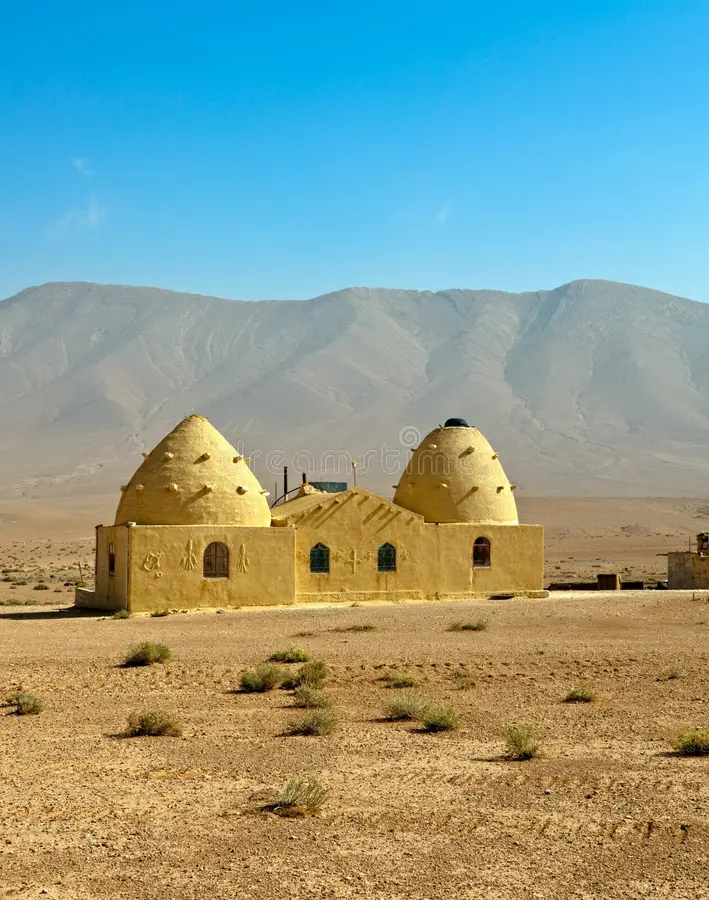
Traditional mud houses in places like Afghanistan, Iran, Syria, and northern Africa take a similar shape — rounded, thick-walled, and often dome-like. These “hump houses” keep the internal environment remarkably cool during hot days and warm at night.
The thick mud serves as thermal mass, absorbing heat slowly and releasing it gently, just like the camel’s body does. These homes protect their inhabitants from dehydration, fatigue, and sun exposure — vital for life in extreme climates.




The Tree as Shelter and Blueprint
In the African savannah, one iconic tree stands tall: the umbrella acacia (Acacia tortilis). With its broad, flat canopy, it offers shade from the harsh sun and creates a cool, breathable space beneath. But this tree does more than block sunlight — through transpiration, it releases moisture into the air, keeping its surroundings more humid and drawing in breezes.
Early communities noticed this and began constructing huts with similar forms and effects. Made of branches, grasses, and mud, these tree-inspired huts recreated the natural comfort found beneath canopies.
? [Insert your sketch of umbrella-shaped tree huts here]
? [Add photo of a real African hut under a canopy or with tree-like framing]

These designs weren’t just practical — they reflected a deep understanding of the microclimate that trees naturally create. This is an early example of biomimicry, where architecture learns from ecological wisdom.

From Nature to Shelter: A Design Philosophy
Both the acacia tree and the camel are masters of survival in harsh climates. Early humans didn’t just observe them — they internalized their strategies into the earliest architectural designs.

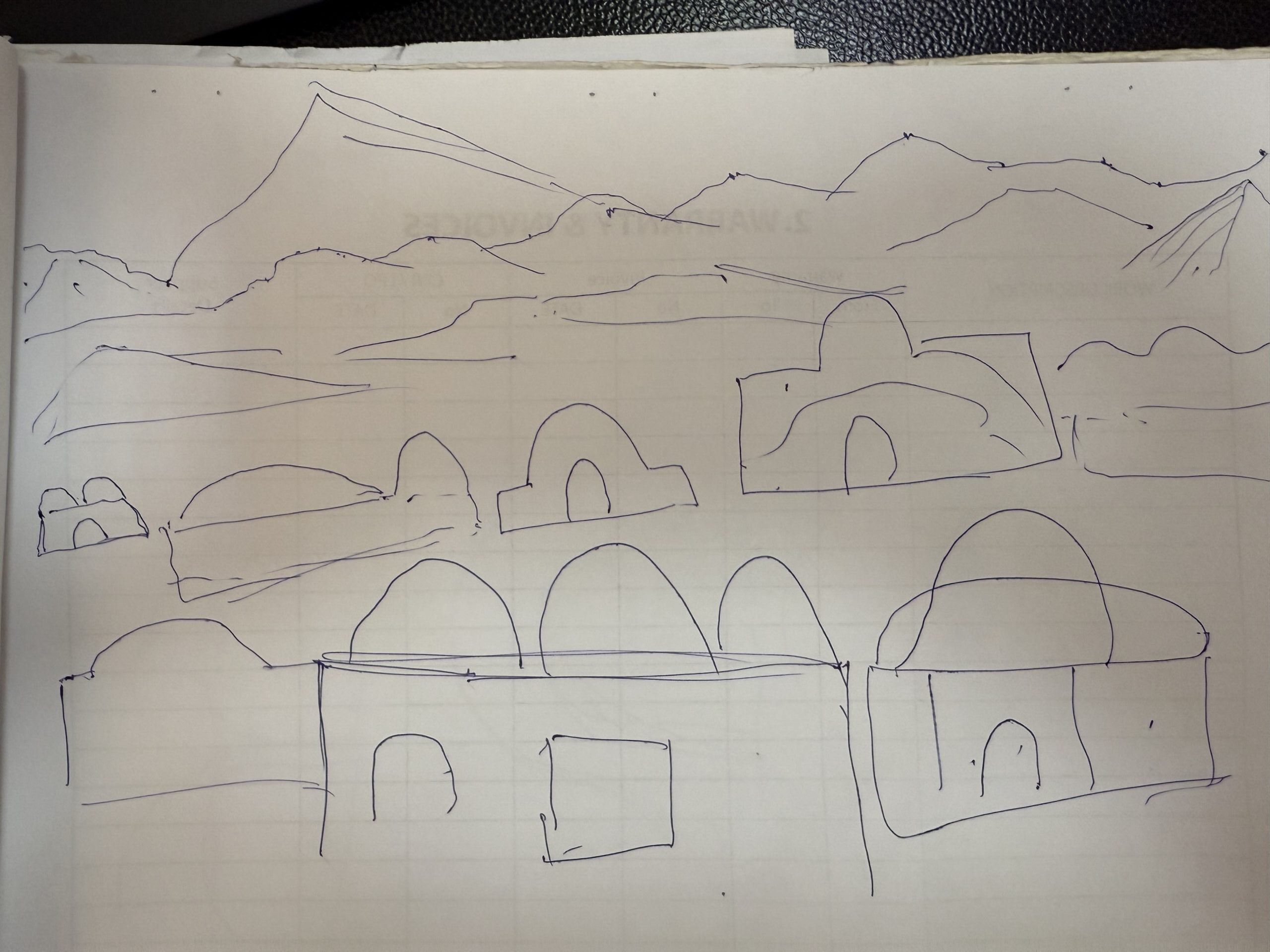

This wasn’t just survival — it was bio-informed creativity. Whether it was the cooling effect of a shady tree or the thermal strategy of a camel’s body, nature gave us clues. And we built on them — literally.
Rediscovering Nature in Modern Architecture
Today, as we face a future of rising temperatures and shrinking resources, these ancient models offer powerful lessons. Architects are once again turning to vernacular design — using local materials and natural forms to build homes that work with the environment, not against it.
At arkbiodiv.com, we explore how architecture and biodiversity intersect. Nature doesn’t just surround us — it guides us. The more we listen to the language of the land, the more sustainable, livable, and meaningful our built environment becomes.
Let Nature Be Your Architect
Explore more visual stories, sketches, and case studies at arkbiodiv.com — where the wisdom of trees, camels, and ancestral design come together to shape the homes of tomorrow.
