
Introduction: A Glimpse into an Organic Paradise
Nestled in the wind-swept valleys of Borai, Loralai, a different kind of farming thrives. Here, you won’t find monocultures or the scent of synthetic chemicals. Instead, you’ll find small-scale family farms known locally as “Jar”—enclosed, vibrant orchards that are less like plots of land and more like living, breathing ecosystems. This is more than agriculture; it’s a timeless partnership, a system built on the profound mutual interest and respect for biodiversity. Every element, from the wild mint underfoot to the cow whose dung fuels the hearth, plays an interconnected role in a beautiful cycle of sustenance. This is the story of a farming philosophy where life supports life, creating an enduring legacy of health and abundance.

The Jar: An Ancient Blueprint for Sustainable Farming
The Jar, or traditional family orchard, is the beating heart of this system. Fenced by Daragi—walls of thorny native bushes or mud—it creates a sanctuary. This barrier isn’t just a boundary; it’s a covenant of mutual respect. It gently guides grazing livestock to their designated fodder while protecting tender vegetable beds and fruit saplings. In turn, the orchard provides for all. This setup reflects an ancient wisdom from Balochistan, positioning the region as a historical hub for integrated arable farming and native livestock husbandry. The Jar isn’t fought from nature; it’s collaboratively built with it.


A Symphony of Mutual Support: The Actors of the Jar Ecosystem
Walk through a Jar, and you witness a symphony where every species has a vital part. This is the core of its resilience: a web of mutual interest that ensures all actors don’t just survive, but thrive.

- From Fodder to Fertilizer: Livestock consume plants and crop residues.
- From Manure to Fuel and Food: Cow dung is dried for cooking fuel. The ash and remaining powdered manure are returned to the land as potent, organic farmyard manure, nourishing the very plants that will feed the animals again.
- From Flower to Fruit to Family: Pollinators, birds, and the wind ensure fruit sets. The harvest provides healthy, organic food for the family, with surplus often dried (like damson for spices) or shared, securing livelihood and nutrition.
- The Flora: Cultivated Crops and Celebrated “Weeds”
The fruit trees—apricot, almond, fig, pomegranate, and damson—form the canopy. Below them, vegetables and fodder like alfalfa flourish. Crucially, what others might call weeds are here respected as key contributors.- Shinshobey: This wild mint is dried and powdered, becoming a cherished culinary herb mixed with yogurt.
- Perwathke: Recognized as nutrient-rich fodder, it’s deliberately left for small ruminants like sheep and goats.
- Chicory and other herbs: These plants enrich the soil, attract pollinators, and add to the farm’s medicinal and nutritional biodiversity.
- The Fauna: Partners in Pest Control and Fertilization
- Native Livestock: Goats, sheep, cattle, and chickens are not merely kept; they are integrated managers. They thrive on crop residues, fallen fruit, and dedicated fodder plants like Perwathke.
- The Free-Range Chicken: A natural pest patrol, they feast on insects in the orchard, converting them into high-quality protein (eggs and meat) for the family.
- The Unseen Workforce: Frogs breeding in the small irrigation canals provide natural pest control, while their eggs promise the next generation of helpers.
The Closed Loop of Zero Waste and Abundance
The genius of the Jar farming system is its creation of a near-closed, sustainable loop. There is no “waste,” only resources transitioning from one role to another.
This cycle embodies a circular economy perfected over generations, ensuring the highest productivity from a small piece of land.

Why This Model Matters More Than Ever
In a world grappling with climate change, biodiversity loss, and food insecurity, the traditional Jar system is a beacon of hope. It demonstrates that biodiversity conservation is not a constraint on farming but its very foundation. It proves that family farming can be:
- Ecologically Resilient: Diverse systems are more adaptable to pest outbreaks and climate shifts.
- Nutritionally Rich: It provides a wide array of chemical-free fruits, vegetables, herbs, and protein.
- Economically Sustainable: By minimizing external inputs, it preserves livelihood and keeps knowledge and resources within the family and community.
Conclusion: A Legacy to Learn From and Protect
The Jar orchards of Borai, Loralai are more than just picturesque landscapes. They are living libraries of agricultural wisdom, showcasing a future where humanity farms with nature, not against it. This system, built on mutual respect for all living things, offers a powerful alternative: a path to sustainable agriculture that heals the land while feeding us. It reminds us that true abundance doesn’t come from domination, but from cooperation. It’s a legacy worth understanding, celebrating, and protecting.
Call to Action: Have you encountered similar traditional farming systems? Share your stories in the comments below. Let’s amplify the wisdom of these sustainable practices.
Small scaled family farming plays a multidimensional role, ensuring not only livelihood but play a pivotal role in biodiversity conservation. Such farmers judiciously use the weeds and herbs grown along with the crops and use the crop residues as animal feed. Here are some pictures, I shot in my hometown Borai, Loralai which show us the beauty of this unique farming system. The farmer told me that he never used any pesticides and chemical fertilizers.

Location of beautiful orchard or JAR
Borai or Bori commonly known as Loralai is the cradle of orchard farming (locally known as JAR) and breeding area of native livestock, i.e sheep, goat, cattle, donkey, and chicken. The Jar is an ancient tradition of family gardening, fenced with the stalks of native thorny bushes or mud walls to protect from livestock and wildlife. The fence is known as Daragi and we have many villages and towns with the name of Daragi or Dargi. It is believed that the region is one of the ancient hubs of livestock husbandry and arable farming. I have tried to make some screenshots from google earth and show you where it is. The region is situated on the tracks of the strong winds between the sea and mountain. The red arrow indicates the wind tracks.
Gallery of Abundance: Fruits and Vegetables from the Jar

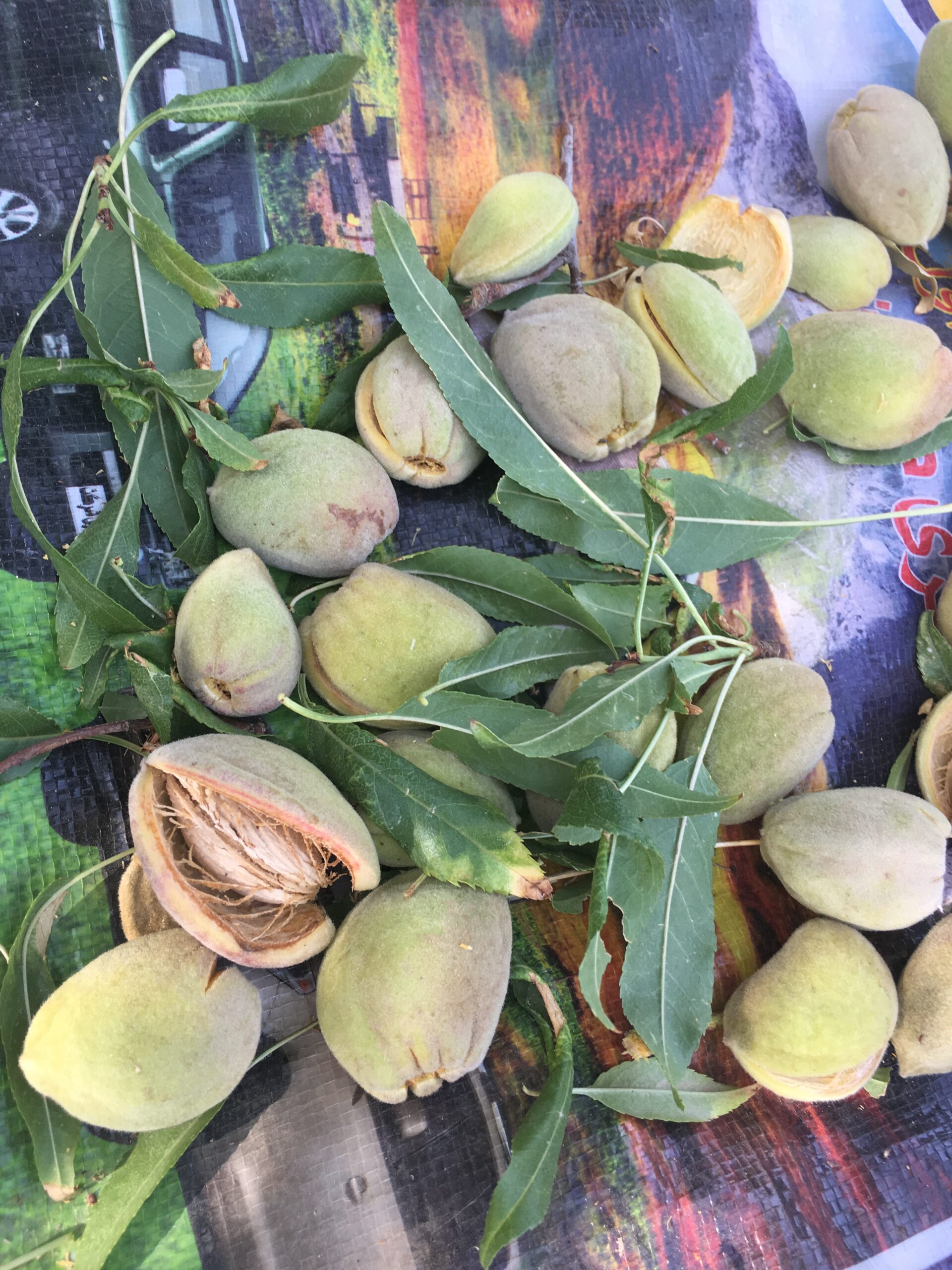


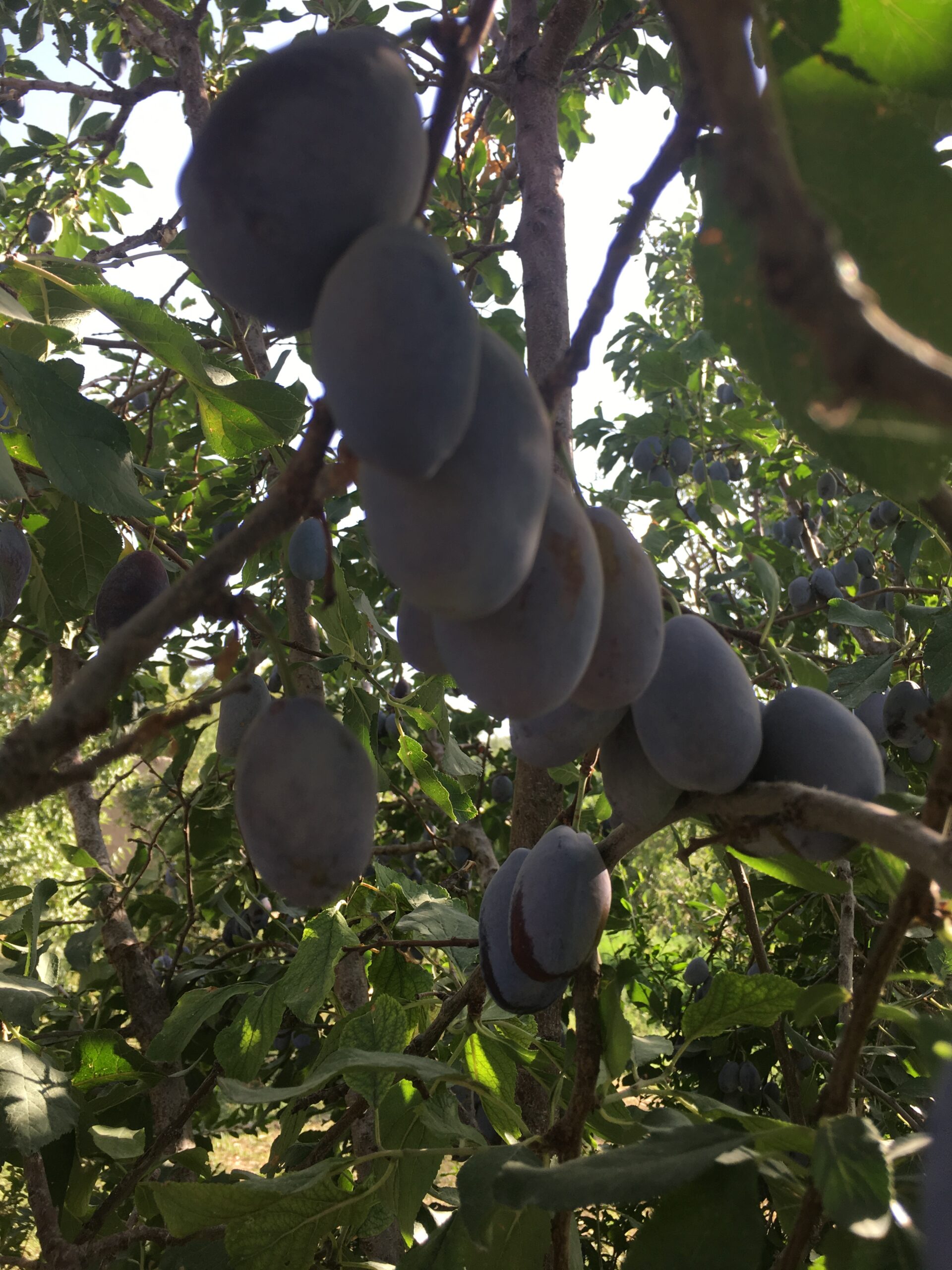

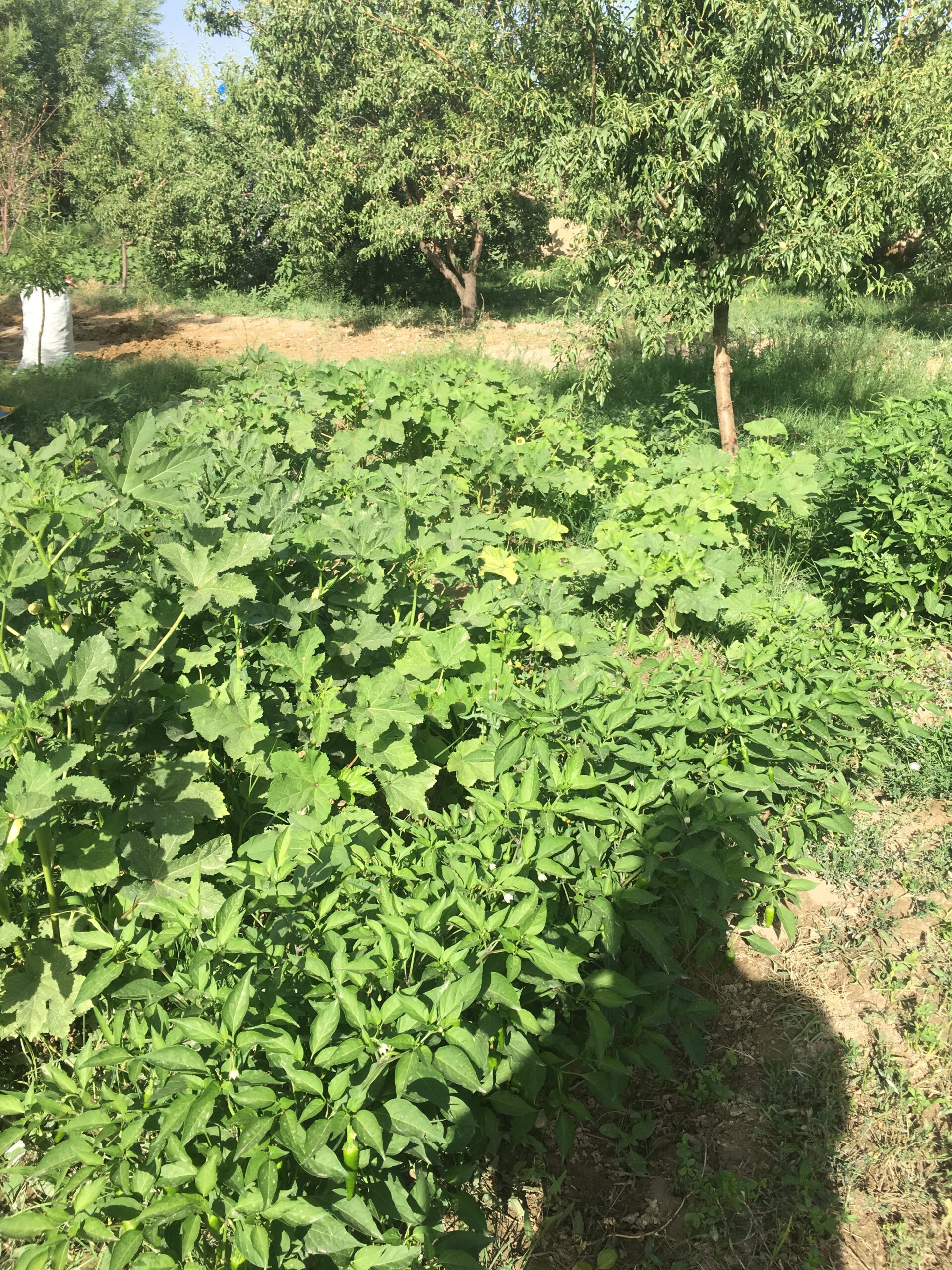


Want to Learn More? Discover Additional Resources Here. https://arkbiodiv.com/2011/10/12/113/

Reblogged this on Small Scaled Farmers and the pastoralists are the backbones of animal agriculture. They play a pivotal role not only in producing quality food item but also conserving the genetic resources as well as nature for the next generations. Contrast to the factory farming small scaled farming and pastoralism do not use (up to their level best) pesticides and chemical fertilizers etc. They do not harm the nature by the blind use of inputs like energy and water. They are the custodians of the genes and nature. and commented:
small scaled orchard farming is a paradise of plants and animal genetic biodiversity.
Indeed small family maintained orchards a popular subsistance farming in some area of pakistan provided the land blessed with some irrigation water. This type of farming provide good physical activity to owner family members ,organic , nutritious and safe food.
Thanks for your appreciation. You are welcome always.
Pingback: Sharing Knowledge about Us – The People's New World Order
An interesting post. I would like to see more of this type of farming in the world. Thank you for posting it.
you are welcome. I’m sure, you will seek further knowledge from our very rich website arbiodiv.com
Pingback: Small-scale production systems secure sustainable food supply and conserve biodiversity – SUSTAINABLE FARMING FOR FOOD AND HEALTH