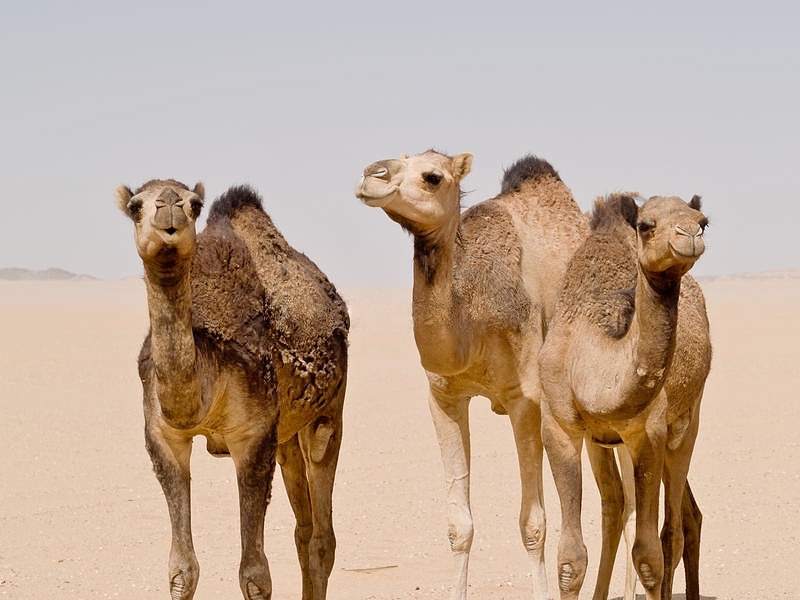
camel physiology

Camel with her calf

Camel Mammary Gland: A Model of Evolutionary Design, Immunity, and Climate Resilience

The camel mammary gland is a remarkable example of nature’s intelligence—designed to sustain milk production under extreme heat, water scarcity, and high microbial exposure. With its unique alveolar structure, calf-dependent milk let-down, and naturally high levels of protective proteins like lactoferrin, the camel udder represents a perfectly balanced system of productivity and immunity. As climate challenges intensify, understanding and adopting this biological model may hold the key to building resilient, sustainable dairy systems for the future.

Camel Mammary Gland: A Model of Evolutionary Design, Immunity, and Climate Resilience Read More »

camel kidney is special

RENAL FUNCTION IN CAMEL

Long term tolerance to the lack of water while remaining active and is specific to camels. Camels, however, also rapidly replace lost water, often drinking as much as 200 liters in minutes. Goats and dogs also belong to the group of mammals that rapidly replace lost water; how- ever, the water is not absorbed rapidly into the bloodstream .The camel does appear to have rapid absorption of water into the blood. 

RENAL FUNCTION IN CAMEL Read More »

The desert creature camels have unique physiology

Xero water loss – The dehumidifier nose of the desert’s beast functions miraculously

In the mysterious camels, the temperature of the exhaled air is dropped and the heat energy and water are reabsorbed in the nose. While exhaling the camels dehumidify the air with the help of specialized hair in the nose as the nasal opening is very narrow and hairy, remains wet all the time. This way the airy, narrow and wet nasal opening reabsorb the moisture and energy both and return to the body. This phenomenon is one of the other most important phenomena of the camels’ unique strategy to conserve water in the arid conditions of its habitat.

Xero water loss – The dehumidifier nose of the desert’s beast functions miraculously Read More »

camels give a unique beauty to the desert

Is Ketosis Possible in Higher Yielding Camel?

The camel’s liver is an evolutionary masterpiece, far more than a simple filter. Characterized by its large, fissured surface and complete lack of a gallbladder, this unique organ is a hub of metabolic genius. It stores fat as a strategic energy reserve and possesses a specialized biochemistry that allows camels to fast for days while avoiding toxic ketosis—a feat most mammals cannot achieve. Yet, even this resilient system has limits, as evidenced by field observations of ketosis in high-yielding dairy camels. This article delves into the fascinating anatomy, groundbreaking science, and real-world implications of the camel liver, exploring how its secrets could inform better health for all livestock.

Is Ketosis Possible in Higher Yielding Camel? Read More »

ARKBIODIV.COM