Author name: Dr Raziq Kakar

I'm Dr. Abdul Raziq Kakar, Ph.D. in Animal Agriculture, currently working as a Technical Manager at Al Ain Farms for Livestock Production, Camel Dairying (R&D), Alain, UAE. I have performed as a Professor and Dean, at the Faculty of Veterinary and Animal Sciences, Lasbela University of Agriculture, Water and Marine Sciences Pakistan (LUAWMS). My thematic area covers turning camel from a beast of burden to a sustainable farm animal, agricultural research policies, extensive livestock production systems, desert ecosystems, food security under climate change context, and sustainable use of traditional genetic resources for food and agriculture. I'm advocating camel under the theme of CAMEL4LIFE and believe in camel potential. Camel4life is a camel think tank with a website and WhatsApp group, advocating camel at the policy level. I'm the founder of World Camel Day and the Camel Association of Pakistan. I also work as a freelance scientist covering the above-mentioned thematic areas. I'm also doing camel dairying consultancies. I'm an ethnoecologist, ethnobotanist, Ethnovet, and ethnomedicine researcher and reviewer. I explore deserts and grazing lands for knowledge and understanding.

A microecosystem of Calligonum comosum desert flora in the desert in Alain UAE

Calligonum comosum — The Magical Flora of the Desert

Introduction In the vast, sun-scorched deserts of the United Arab Emirates grows a truly extraordinary plant — Calligonum comosum (Arabic: ??????, Arta). Known for its resilience, delicate beauty, and ecological importance, this desert shrub has long been considered one of nature’s “magical creatures.” Its story is not just botanical — it is a symbol of […]

Calligonum comosum — The Magical Flora of the Desert Read More »

An older tree of Karir or Kareer (Capparis Decidua)

Karir Tree (Capparis decidua): A Desert Treasure of Ecology, Nutrition, and Healing

The Karir tree (Capparis decidua), locally known as Karir, Kirar, or Karira, is one of the most remarkable wild trees of arid regions. Found across Pakistan, India, Sudan, and Saudi Arabia, this hardy species thrives where little else can survive. Once established, it depends only on rainfall, making it ideal for large-scale cultivation in semi-arid

Karir Tree (Capparis decidua): A Desert Treasure of Ecology, Nutrition, and Healing Read More »

Author Dr. Raziq drinking camel milk in Cholistan Pakistan

Camel Milk: The Superior Alternative for Lactose Intolerance and Beyond

In a world where dietary needs and preferences are evolving rapidly, the demand for alternatives to traditional cow milk has surged. While plant-based “milks” have become popular, they often fail to provide the same rich nutritional profile found in milk from mammals. But what if there was a more natural alternative to cow milk that

Camel Milk: The Superior Alternative for Lactose Intolerance and Beyond Read More »

Fruits of Pistachio khunjuk

Save Pistachio Khunjuk (Wana in Pashtu) – The Lifeline of Southern Pashtun Land and Balochistan

By Dr. Abdul Raziq Kakar At the heart of Southern Pashtun territory lies a tree whose significance goes beyond its remarkable resilience—it embodies the very essence of life, culture, and the environment. This tree is Pistachio Khunjuk (locally known as Wana in Pashto), a species that has nourished local communities for generations with its prized

Save Pistachio Khunjuk (Wana in Pashtu) – The Lifeline of Southern Pashtun Land and Balochistan Read More »

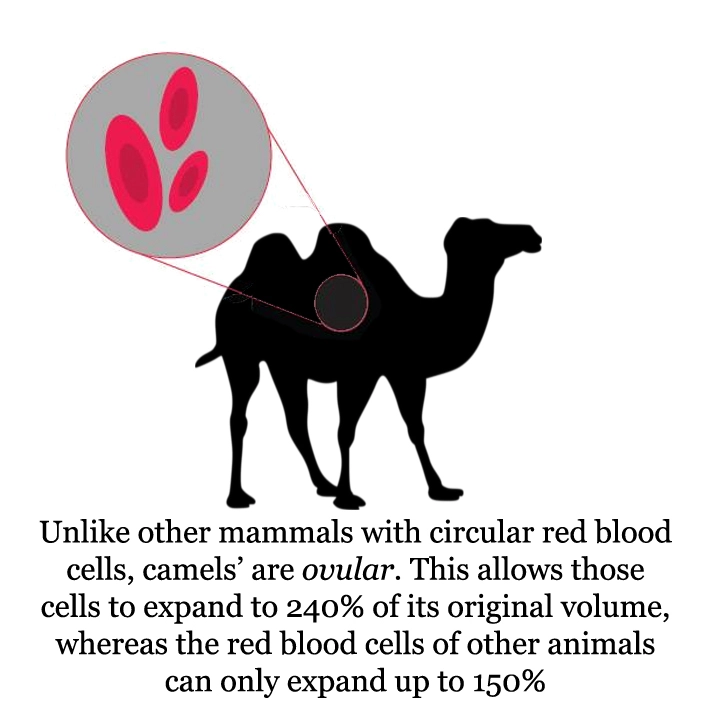
Camel Blood: Unique Red Cells Different from Mammals, Yet Similar to Birds

Camel Blood: Traditions, Nutrition, and Science

Camels have long been celebrated for their resilience, endurance, and vital contributions to human societies living in some of the harshest environments on Earth. While camel milk has gained global recognition for its nutritional and medicinal properties, another lesser-known aspect of camel culture is the use of camel blood. At Ark Biodiversity, we explore this

Camel Blood: Traditions, Nutrition, and Science Read More »

ARKBIODIV.COM