

Part 4. Plants that are Liked such as Icecream by Camels and Goats
Camel had learned the strategy of survival
The camels are highly adapted to the harsh and hostile climates of the sphere. The 3 important adaptation strategies are the tools in such climates;
- Depending on food based on plants that are hardy, dry, and bitter/salty (usually avoid by other livestock
- Long walking ability to reach the places where food is available
- Body physiology to cope with the burning temperature with the scarcity of water.


Series of Camel ice-cream plants species is a continuous process, the outcome of desert walks
Being an ethnoecologist and ethnobotanist, I have started characterization, documentation, and reporting about the plant species that are liked as ice cream by the camels. You can read about the series as 1, 2, and 3 in the links below.
- https://camel4all.blog/2017/12/17/the-ice-cream-species-of-plants-for-the-camel-and-goat/
- https://camel4all.blog/2017/12/17/the-ice-cream-species-of-plants-for-the-camel-and-goat/
- https://camel4all.blog/2017/12/21/part-2-ice-cream-species-of-plants-for-the-camel-and-goat/
- https://camel4all.blog/2018/06/24/plants-that-are-liked-such-as-icecream-by-the-camels-part-3/
- https://camel4all.blog/2019/05/05/camels-flower-%D8%B2%D9%87%D8%B1-tribulus-is-the-precious-flora-of-the-arabian-desert/
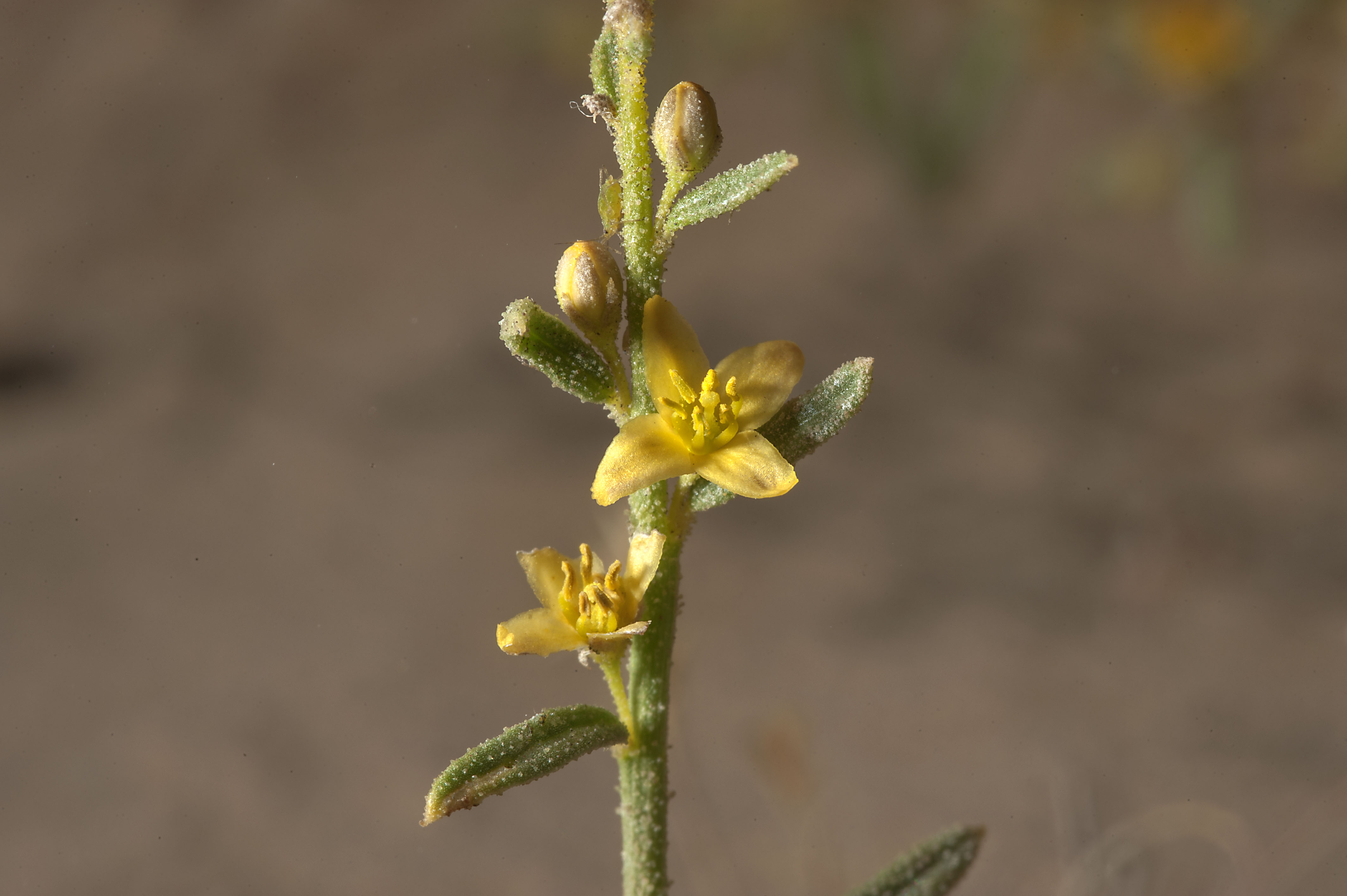
This Article is About Dipterygium glaucum ?? ??????R
This plant is also liked by camels very much. The plant has rich nutritional value as well as is used as a herbal source of medicine. The camel loves the plant especially when it is in flowering and seeding stages. I think they like it in these stages because of the aroma and the high protein contents of flowers and seeds respectively. The plants are very strong and powerful to resist the winds of the desert. The multiple branches make it stronger and a source of protection for different insects and reptiles.
I have explored the camel desirability towards this plant during my desert exploration walks. Some ethnoveterinary suggest this plant in the flowering stage as a good source of revitalizing the camel body. When the seed is matured, the camel-like it even more.
Ethnoherbal Role of the Plant
The tiny flowers of the plants work as a strong laxative agent. The stalk with flowers is a source of flashing the digestive system of the livestock as well as human beings. It is also given to camels suffering from an infection, weakness, respiratory complications, and a lower desire for food. (personal communication and reference # 3, provided below)


The Plant is a Heaven for Bees and other Fauna
The plant has very attractive flowers with yellow color and a strong smell, making it very attractive for wasps, bees, and other insects. With the multiple branches and dense cover, it is an attraction for the reptiles so they can hide and feel safe.

The Desert Precious Biodiversity is Depleting
Unfortunately, many precious desert plants including this one, are depleting, because for many reasons. This plant really needs to be well studied, and documented, and identify the status and the risk factors. Such plants can ensure sustainable camel and other livestock production in the desert ecosystem.
Further reading and watching
- http://www.efloras.org/florataxon.aspx?flora_id=5&taxon_id=220004230
- https://www.ddcr.org/florafauna/Detail.aspx?Class=Plants&Referrer=Capparaceae%20(Shrubs)&Subclass=Shrubs&Id=221
- https://ijarbs.com/pdfcopy/feb2017/ijarbs20.pdf
- https://youtu.be/xlUtxiyNMNs
- https://youtu.be/ylH-4vAkP_U

Pingback: Camel’s Flower (??!?) Tribulus is the Precious Flora of the Arabian Desert~ A Camel Ice-cream Species. Series 5 | Communities' Animal Genetic Resources and Food Security
Great documentation on plants.
I’ve read that camel farming helps to preserve the fauna because camels can sometimes deplete an entire tree or bush and therefore it won’t grow back because bees cannot pollinate a depleted plant.
Camel eat some bites from one plant and move forward. Camel have a symbiotic relationship with the ecosystem.
Thank you for sharing info and video about Dipterygium glaucum. Very valuable and live information from the desert ecosystem
You are welcome. Thanks for your appreciation and feedback.
Love this – it grows spontaneously on our farm in Oman and having read this I feed it to the camels! Planning to try propagate it – haven’t spotted any seeds yet. Any chance with cuttings?
You can easily collect the seeds.
Pingback: Limeum arabicum - A camel icecream specie - ARKBIODIV.COM
Pingback: Brassica tournefortii, the desert Mustard - ARKBIODIV.COM
Pingback: Tephrosia apollinea ????`?? ????? ??? ?`? - ARKBIODIV.COM