

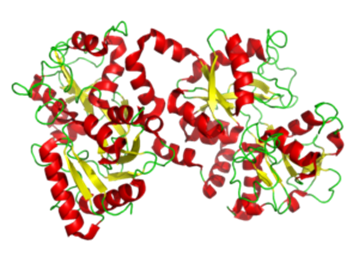
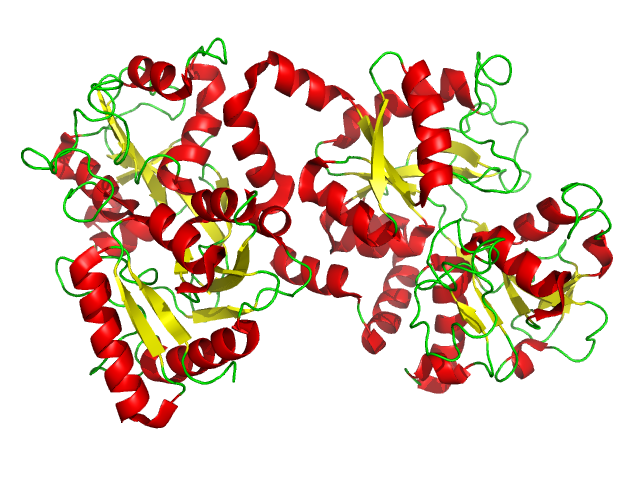
Lactoferrin is a natural protein found in milk.
It is also produced by cells in the immune system and on mucosal surfaces. It has three main jobs: it binds iron (which bacteria and viruses need to grow), it sticks to germs to stop them from entering cells, and it helps control inflammation.
- Because influenza viruses, coronaviruses, and cold-causing viruses all infect the respiratory tract, researchers have asked whether lactoferrin could help against all of them.
How Much Lactoferrin Is in Camel Milk?
Camel milk has more lactoferrin than cow’s milk:
- Camel milk: about 0.4 to 3.3 grams per liter
- Cow’s milk: about 0.1 to 1.5 grams per liter
- Human milk: about 2 to 3 grams per liter
So camel milk is richer than cow’s milk; but not dramatically richer than human milk. Some earlier claims said camel milk has “10 times more” lactoferrin than cow’s milk.

How Lactoferrin Works Against Respiratory Viruses
Lactoferrin acts in several ways that could apply to different respiratory viruses:
- Blocking attachment: Many respiratory viruses first attach to sugary molecules called heparan sulfate on the surface of our cells. Lactoferrin can stick to these molecules first, leaving the virus nowhere to land.
- Directly binding to viruses: Lactoferrin can attach to viral particles themselves and neutralize them before they reach cells.
- Modulating the immune system: Lactoferrin can influence how immune cells respond to infections, potentially reducing harmful overreactions.
Influenza Viruses
Bovine lactoferrin inhibits influenza A virus in cell culture. It interferes with the virus’s ability to replicate inside cells and blocks viral-induced cell death.
A 2026 randomized controlled trial gave healthy older adults either high-dose lactoferrin (600 mg/day), low-dose (200 mg/day), or placebo for 4 weeks . Key findings:
- There was no difference in interferon-gamma release when immune cells were stimulated with influenza A (H1N1) between any of the groups.
- High-dose lactoferrin did increase total T cells and CD4+ T cells compared with placebo.
- High-dose lactoferrin reduced plasma IL-6 and CRP (markers of inflammation) compared with low-dose, but not compared with placebo.
Lactoferrin may support general immune function, but it did not specifically enhance the immune response to influenza in this study.
Coronaviruses
Lactoferrin blocks SARS-CoV-2 and other human coronaviruses from attaching to cells in laboratory experiments. The effect can be reversed by adding heparin, which confirms that lactoferrin works by occupying the heparan sulfate attachment sites.
Clinical results have been disappointing so far:
- A randomized trial in healthcare workers found no significant reduction in SARS-CoV-2 infections with bovine lactoferrin (600 mg/day) compared with placebo.
- A 2023 clinical trial (LAC trial) tested lactoferrin in hospitalized COVID-19 patients. The results did not show clear clinical benefit.
- 2025 review noted that lactoferrin is among the natural antimicrobial peptides with promising activity against SARS-CoV-2 and other respiratory viruses
- clinical trials:
Researchers in Peru gave 209 healthcare workers either bovine lactoferrin (600 mg per day) or a placebo for 90 days. - About 10.6% of the lactoferrin group got infected, compared with 8.6% of the placebo group.
- One small study claimed that 75 COVID-19 patients recovered in 4–5 days after taking liposomal bovine lactoferrin (32 mg) plus zinc.
- No studies on camel milk lactoferrin specifically:
To date, no clinical trial has tested camel milk lactoferrin in COVID-19 patients. All human data come from bovine (cow) lactoferrin, not camel lactoferrin.
The Common Cold
The common cold is caused by many different viruses, including rhinoviruses and coronaviruses. A 2013 double-blind randomized study tested a bovine lactoferrin/whey protein supplement for the common cold.
A 2021 meta-analysis of randomized controlled trials concluded that lactoferrin reduces the risk of respiratory tract infections. This is one of the more encouraging findings, but it is a broad conclusion that pools different viruses and populations together.
Camel Milk Lactoferrin
Camel milk contains more lactoferrin than cow’s milk. Some laboratory studies show that camel lactoferrin can inhibit hepatitis C virus entry into cells . However:
- No human trials have tested camel milk lactoferrin against influenza, coronaviruses, or the common cold.
- Most clinical data come from bovine lactoferrin, not camel lactoferrin.
- The amount of lactoferrin in a glass of camel milk is much lower than the doses used in clinical trials (which are typically 200–600 mg of purified lactoferrin per day).
Lactoferrin is a biologically interesting protein with antiviral activity in the laboratory. It may have general benefits for immune function and reducing respiratory infection risk. However, it has not been proven to prevent or treat influenza, COVID-19, or the common cold in well-controlled human trials.
Drinking camel milk may be nutritious, but it should not be treated as a proven antiviral strategy.
References
- Ali AS, et al. Lactoferrin reduces the risk of respiratory tract infections: A meta-analysis of randomized controlled trials. Clin Nutr ESPEN. 2021;45:26-32.
- Matino E, et al. Effect of Lactoferrin on Clinical Outcomes of Hospitalized Patients with COVID-19: The LAC Randomized Clinical Trial. Nutrients. 2023;15(5):1285.
- Mohammadabadi T, Hussain T. Is camel milk lactoferrin effective against COVID-19? World Journal of Pharmaceutical Sciences. 2021;9(2):91–97.
- Mohammadabadi T, Jain R, Rehman AU, Al Juwarey M, Singh M. Camel Milk: A Nutritious Superfood for Health Complications. Milk Science International. 2023;76(6):35–43.
- Vitetta L, et al. The clinical efficacy of a bovine lactoferrin/whey protein Ig-rich fraction (Lf/IgF) for the common cold: a double-blind randomized study. Complement Ther Med. 2013;21(3):164-171.
