
I firmly believe in the healing power of the desert; it is a unique form of ecotherapy. When life becomes heavy with work, responsibilities, and challenges, the desert offers a rare kind of refuge. Walking into its open landscape, speaking to its silent companions, and observing its resilient creatures can transform the way we understand our own struggles. Every plant, insect, and living organism in the desert survives through patience, adaptation, and quiet strength. By simply watching how these life forms endure harsh conditions with grace, we learn profound lessons about resilience and balance.
The desert teaches calmness, grounding, and clarity. Its vastness absorbs stress; its stillness invites reflection. Spending time there nurtures both mental and physical well‑being, reminding us that nature often holds the wisdom we seek. In the simplicity of sand, wind, and life, the desert becomes a powerful teacher—one that restores peace and inspires deeper understanding.

Desert Genetic Resources: Powered by Exceptional Adaptations
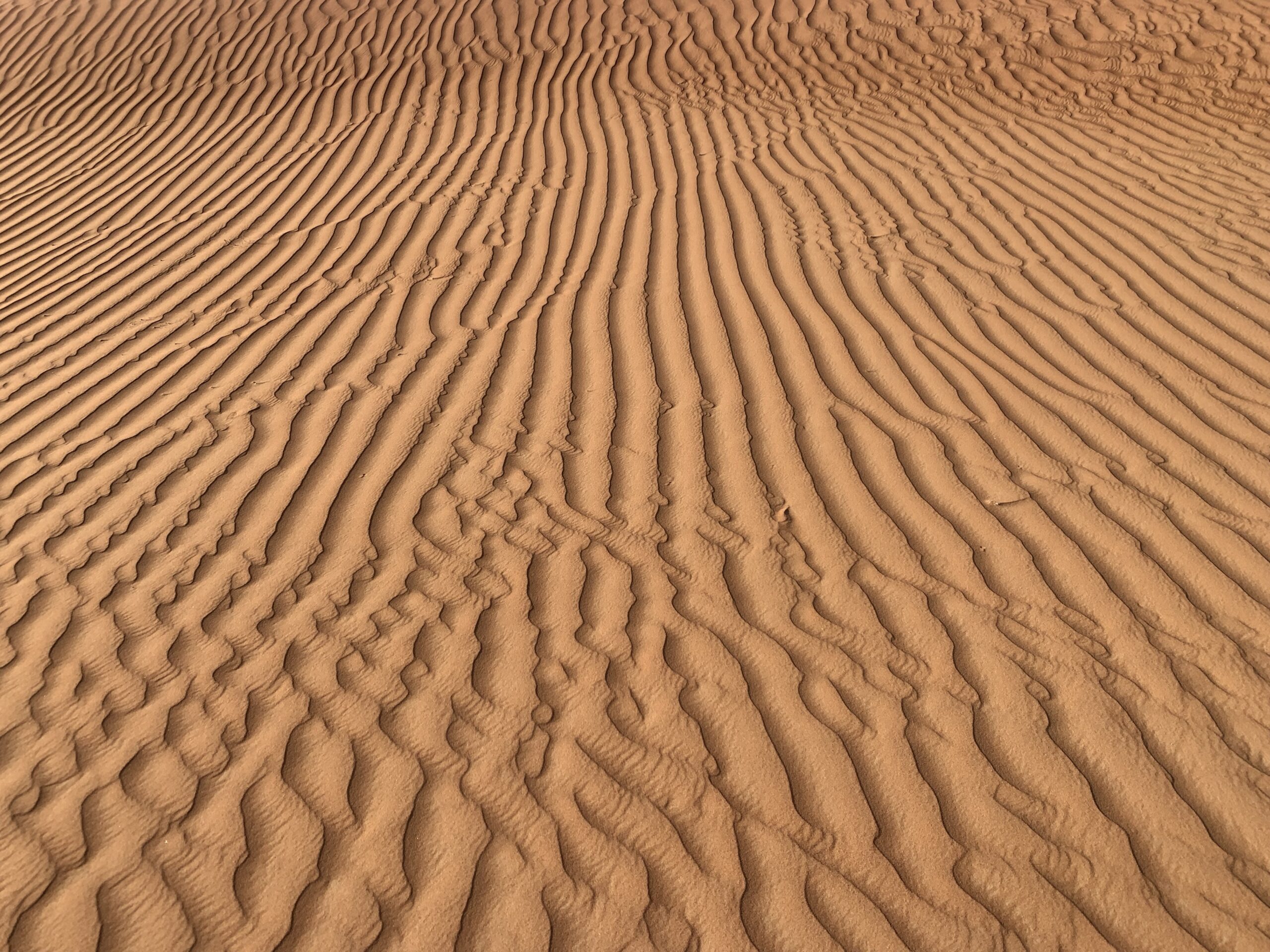
I am sharing a selection of images that highlight the desert’s remarkable landscapes and the resilient organisms that inhabit them—especially its unique flora. Desert species possess extraordinary genetic adaptations that enable them to thrive despite extreme heat, minimal water, and nutrient‑poor soils. Although these lands appear barren and covered in shifting sand, the desert’s genetic resources continue to flourish, supporting a surprising range of life. These plants and animals not only survive but sustain broader ecosystems, providing essential food and habitat for other desert creatures. Their resilience reveals the hidden strength and beauty of nature’s toughest environments.
The Land of Yellow Flowers and the Dwarf Asian Bees
Interestingly, many desert plants bloom with bright yellow flowers, a strategic adaptation that allows them to stand out in the otherwise muted, sandy landscape. These vibrant blossoms are highly attractive to insects, especially bees and small desert birds, drawing them from long distances. Among the frequent visitors are the Dwarf Asian Honey Bees (Apis florea), one of the smallest honey‑producing bees in the world. These bees are exceptionally well adapted to harsh climates; they build small, single‑comb nests often exposed on shrubs and rely on minimal floral resources to thrive. In the desert, they can be seen collecting nectar, pollen, and establishing delicate wax combs on sturdy branches. Their presence is a key indicator of the ecosystem’s health, as they pollinate a wide range of desert flora, enabling continuous regeneration. Even in challenging conditions, these tiny bees play an outsized role in sustaining biodiversity and enriching the desert’s ecological fabric.


Bitter or Soft, Sour or Sweet — Every Desert Plant Feeds a Creature
Desert animals, insects, and birds each have their own preferences, yet none are driven by taste or texture—they simply understand the true value of food. In the desert, every plant plays a role in sustaining life. Some species are preferred over others, but collectively, the flora is remarkably consumable. Even Citrullus, intensely bitter and toxic to humans, becomes a favored food for goats, camels, wild herbivores, rodents, and birds. These hardy plants not only nourish desert wildlife but also provide vital shelter for the uniquely adapted fauna that call the desert home.


Robust Desert Plants: A Primary Food Source for Camels
The camel thrives in some of the hottest and driest environments on Earth, and its success is deeply rooted not only in its remarkable physiology but also in the specialized desert flora that sustains it. Among these plants, the Ghaf (Prosopis cineraria) tree stands out as both an ecological treasure and a vital resource, providing nutritious forage, essential shade, and a distinctive beauty to the desert landscape. This powerful synergy between resilient vegetation and the equally resilient camel supports a sustainable desert production system. Together, they produce one of nature’s most exceptional foods: camel milk, a true “superfood.” It is the result of two extraordinary creations of the desert—the hardy flora and the incredible camel—working in harmony within one of the world’s toughest ecosystems.


Calitropis is Beautiful, Attractive, and Very Useful
Despite common misconceptions, Calotropis is a highly valuable desert plant with multiple ecological and traditional uses. Its milky latex has long been utilized in various traditional medicines, while its thick leaves provide nutritious forage for deer, goats, and several other desert herbivores. Many insects feed on the leaf surface, taking advantage of its tough yet resource‑rich structure. The plant’s flowers are its most striking feature—bright, attractive, and essential for desert pollinators. They offer nectar to bees and birds, including winter visitors such as small nectar‑feeding species often mistaken for hummingbirds due to their rapid hovering and feeding behavior. Calotropis shrubs also act as micro‑habitats, providing shelter and breeding sites for a diverse community of insects, supporting the delicate balance of life within the desert ecosystem.


Ecotherapy Through Ethnoecology: Your Role in Preserving Desert Wisdom
I sincerely invite you to join me in this ongoing journey of exploring, understanding, and celebrating the desert through the combined lenses of ecotherapy and ethnoecology. Your insights, experiences, and observations are invaluable in deepening this shared knowledge. If you have photographs from your desert walks—plants, insects, dunes, wildlife, or anything that inspired you—please share them with me. I will be honored to feature your contributions on my website so that together we can build a richer archive of desert beauty and biodiversity. I also ask for your support in spreading this work: share my articles, images, and reflections within your networks, social circles, and professional communities. Every repost, comment, and discussion helps amplify the importance of our desert ecosystems and the wisdom they hold. By participating, you become part of a growing community that recognizes the desert not only as a landscape but as a teacher—one that heals, guides, and inspires. Your involvement keeps this mission alive and strengthens our collective effort to preserve desert heritage for the future. All the best—and thank you for walking this journey with me.

Beautiful, striking pictures of the desert and the animals living there. As you know, I don’t use social media and only have my blog.
If I can help, do tell me in what way. The post about your farm is read daily by at least one person, often more.
Joanna
Thanks very much Joanna. You are a great inspiration to me. You are a very good author and blogger as well. I can offer you an author subscription to you and you can write something about the biodiversity, desert and food etc.
All the best,
Raziq
Thank you, Dr Raziq, greatly appreciated. My weak point is almost zero knowledge of IT. It means I don’t know what it is – ‘author subscription’. At the moment, I am at the beginning of my new series on The Great Writers, and this will go on for some time.
I thought that we have covered quite a lot in the camel milk post. As you know, I take time to find interesting details for all my posts, and time is at a premium. If you wanted something written for your blog, on the subject you have mentioned, when I can, I will do.
Joanna
Thanks very much. How can I help in IT?
That is very kind of you, thank you. I am a lost cause, not being thought IT at school. In my defense, I have to tell you that many highly acclaimed writers, who sold millions of books, write by longhand (JKRowling – Harry Potter), and most of the others, too many to mention here. There is also a danger that have I taken you up on your kind offer the poor camels would starve, desert walks would stop, and in the end, you would hate me. I think it is a miracle that I manage the blog; someone above must like me or what I write.
Joanna
You are incredible
Pingback: Enjoy Desert Exploration with Me – Pastoralists, Nomads, Small and Medium Scaled Family Farmers are the Custodian of Native genetic resources and Sustainable Farming Systems
Pingback: How Citrullus flora fixes the sand dunes? – SUSTAINABLE FARMING FOR FOOD AND HEALTH