
Lactoferrin is a natural protein found in milk. It is also produced by cells in the immune system and on

What is “World Camel Day”
World Camel Day was founded by Dr. Abdul Raziq Kakar in June 2009. World Camel Day is celebrated each year on 22nd June to highlight the importance of incredible camel and aware/educate the masses about the role of the camel in food security, climate change adaptation, culture and ecosystem management. Each year, this day is being celebrated in many parts of the world and the interest is increasing with the passing of each camel day. The interest of the people beyond the camels’ habitats is also increasing and the demand for the camel milk is towering with the passage of time. More and more people are coming in camel milk and sports business. We can see camel dairies in the Western countries and regions like USA, Australia and European Union. Also, now we have camel racing in France and Australia, soon more countries will enter in the ring. Celebration of camel day is a success story and a great support for the camel development.
Brief History of “World Camel Day”
Conceptualization of the Camel Association of Pakistan (CAP) in 2008
When I (Dr. Raziq) finished my Ph.D. research work and started the dissertation write-up, many ideas emerged and I deeply realized that though the camel is a very important animal there is very less support and appreciation for the camel and camel keepers both in the country and international levels. So, I started conceptualization of a struggle to bring the camel to the notice of policymakers at all levels. The idea of CAP was to take the first but important step to highlight the importance of camel at the country levels. Unfortunately, there was a very less or negligible level of support for the camel and its keepers.

About the Founder - Dr. Abdul Raziq Kakar
Dr. Abdul Raziq Kakar hasd almost 23 years of practical experience with camels in one or another capacity. He holdd a doctorate in animal science, with a special emphasis on dromedaries as potential dairy animals. Dr. Abdul Raziq is a camel dairy professional, both by training and experience. A camel dairying entity (Alain Farms for Livestock Production), the world’s first commercial camel dairy, has been his sole employer since 2014. The camel, in his philosophy, is a magical biological model that copes with a warming planet while producing health-promising milk and meat under challenging conditions. He has documented different
aspects of camels as a potential dairy animal.
In addition to providing consulting services at a global level on how to establish profitable and sustainable camel dairies, Dr. Raziq has already completed seven consultations on different aspects of camels, particularly dairying and developing international milk products. Under the patronage of Dr. Raziq, a team of camelists from all corners of the globe work together under the umbrella of Camel4Life Interinational to advocate and promote camel milk on a global scale Al Ain doctor sees potential in camels beyond their milk.
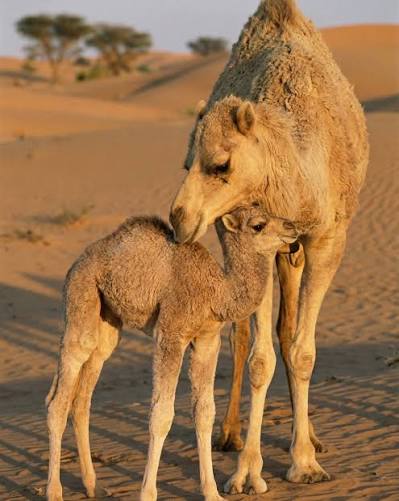

Camel milk is recognized for its distinctive nutritional composition and multifaceted functional properties, positioning it as a superfood with significant

A beautiful moment at Al Wathba Camel Farm today: a young male calf approached me slowly, studying me with those deep, thoughtful eyes—almost as if he was trying to read my intentions. Animals have an incredible way of sensing our energy, and this gentle encounter reminded me how powerful those quiet connections can be

Probiotic bacteria and hypocholesterolemia peptides in camel milk prevent cholesterol reabsorption from the intestine by deconjugating bile salts, reducing cholesterol’s

Introduction In the vast, sun-scorched deserts of the United Arab Emirates grows a truly extraordinary plant — Calligonum comosum (Arabic:

Autism is a neuro developmental disorder that involves a range of challenges, including gastrointestinal issues, intellectual disabilities, and difficulties with