Author name: Dr Raziq Kakar

I'm Dr. Abdul Raziq Kakar, Ph.D. in Animal Agriculture, currently working as a Technical Manager at Al Ain Farms for Livestock Production, Camel Dairying (R&D), Alain, UAE. I have performed as a Professor and Dean, at the Faculty of Veterinary and Animal Sciences, Lasbela University of Agriculture, Water and Marine Sciences Pakistan (LUAWMS). My thematic area covers turning camel from a beast of burden to a sustainable farm animal, agricultural research policies, extensive livestock production systems, desert ecosystems, food security under climate change context, and sustainable use of traditional genetic resources for food and agriculture. I'm advocating camel under the theme of CAMEL4LIFE and believe in camel potential. Camel4life is a camel think tank with a website and WhatsApp group, advocating camel at the policy level. I'm the founder of World Camel Day and the Camel Association of Pakistan. I also work as a freelance scientist covering the above-mentioned thematic areas. I'm also doing camel dairying consultancies. I'm an ethnoecologist, ethnobotanist, Ethnovet, and ethnomedicine researcher and reviewer. I explore deserts and grazing lands for knowledge and understanding.

The camels are very wise, they can read your thoughts

The Brela Camel: Desert Dairy Champions and Pillars of Pastoral Prosperity

The Brela camel, a distinguished indigenous breed of Pakistan, has its ancestral roots in the plains of central Balochistan, particularly in the fertile tract stretching between Sibi and Nasirabad. Over time, its habitat extended into the riverine regions of southern Punjab, especially the fringes of the Cholistan Desert, and parts of Sindh. Unlike camels adapted to the arid cores of Balochistan or the deeper deserts of Cholistan, the Brela camel favors semi-arid, river-fed landscapes that provide a more hospitable environment and richer forage.

The Brela Camel: Desert Dairy Champions and Pillars of Pastoral Prosperity Read More »

Donkey Milk Cheese

Donkey Milk Cheese: A Culinary Marvel and Conservation Triumph

Originating from Serbia’s Zasavica Special Nature Reserve, pule cheese commands a staggering price of €1,000 per kilogram (~$1,100), making it the most expensive cheese globally. This rarity is attributed to its labor-intensive production and the scarcity of donkey milk Donkeys yield less than a liter of milk daily, and approximately 25 liters are required to produce just one kilogram of cheese. Moreover, the milking process is manual, as there are no machines designed for donkeys.

Donkey Milk Cheese: A Culinary Marvel and Conservation Triumph Read More »

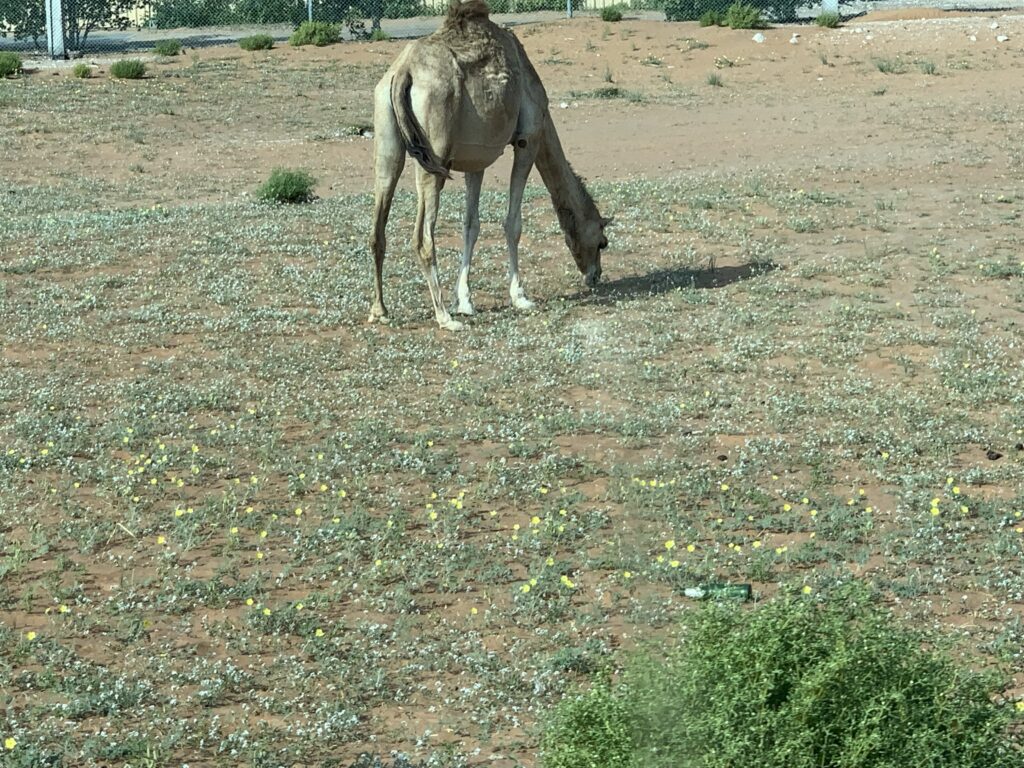
camel eating Eremorium aegyptiacum

Eremobium aegyptiacum: A Resilient Bloom in the Heart of the UAE Desert

Quote reference as Raziq, A. (2025). Eremobium aegyptiacum: A resilient bloom in the heart of the UAE desert. Personal observations and field notes. Introducton “??? ???????? ???? ???????????? ??????????? ???? ????? ??? ??????????? ?????? ???????????????”(“O my companion, pause with the camels and gaze—do you see in the desert anything but resilience?”) The desert, often perceived

Eremobium aegyptiacum: A Resilient Bloom in the Heart of the UAE Desert Read More »

The camel milk from Bactrian camel in Mongolia

Camel Milk Lactoferrin: A Natural Bioactive Compound with Anticancer, Antioxidant, and Antiviral Potential

Abstract Lactoferrin, a multifunctional glycoprotein abundant in camel milk, exhibits significant antimicrobial properties. This article reviews the health-promoting potential of camel milk-derived lactoferrin, focusing on its antimicrobial activities and its role as a bioactive molecule. Beyond its antimicrobial action, camel milk-derived lactoferrin is recognized for its antioxidant properties, which further enhance its health-promoting potential. It

Camel Milk Lactoferrin: A Natural Bioactive Compound with Anticancer, Antioxidant, and Antiviral Potential Read More »

ARKBIODIV.COM