
Overview of the Balochi Horse Breed
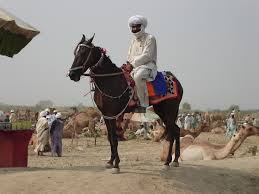
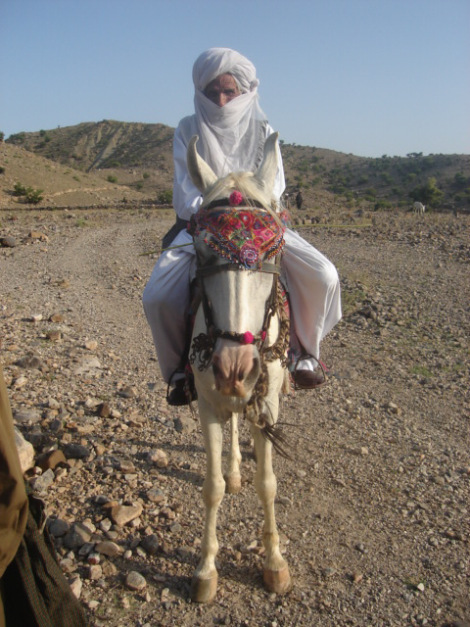
The Baluchi horse is indigenous to Pakistan’s Baluchistan, Sindh, and Punjab provinces (and is also found in adjacent regions of Iran) and is a key part of the cultural and pastoral heritage of Balochi communities. Traditionally, these horses have been prized for their versatility in the harsh, arid, and mountainous landscapes of the region. They are noted for their light build, distinctive turned?in ears (resembling those of the Kathiawari), and aptitude for riding, light draft work, and even sports such as tent pegging.
Habitat of Balochi horse
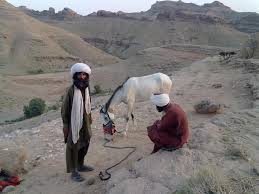
The Balochi horse is an extraordinary breed that has been shaped by the harsh conditions of its natural habitat. Found in the arid landscapes of Balochistan, the breed thrives in environments characterized by extreme temperatures, scarce water resources, and sparse vegetation. These challenging conditions have played a pivotal role in developing the Balochi horse’s exceptional endurance, strength, and adaptability. Over generations, this breed has evolved to survive and excel in such demanding ecosystems.
The Balochi people, with their deep cultural bond to the horse, have played an essential role in the breed’s development. Through selective breeding, they have emphasized traits such as stamina, load-bearing capacity, and the ability to navigate treacherous terrains. As a result, the Balochi horse has become a highly versatile and reliable companion for long-distance travel, herding, and survival in the most rugged landscapes.
The horse’s resilience is a direct reflection of its environment. The ability to withstand both scorching summer heat and freezing winter temperatures is a testament to its adaptability. The sparse vegetation of Balochistan has also influenced the breed’s diet, with the Balochi horse feeding primarily on hardy, drought-resistant plants, further enhancing its ability to thrive where other horses may struggle.
Social and Cultural Importance
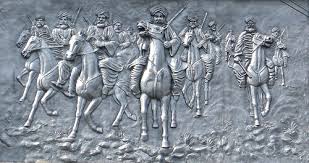
In addition to its physical attributes, the Balochi horse holds a significant place in the cultural and social fabric of the Balochi people. For the nomadic tribes, these horses are not just means of transportation or labor but also symbols of pride, heritage, and identity. The close bond between the Balochi people and their horses is evident in the care and respect with which they treat these animals, ensuring their well-being and preserving the breed’s unique characteristics.
Phenotypic characteristics
Physically, the Balochi horse is typically medium-sized with a strong, well-proportioned body and powerful limbs, ideal for traversing difficult terrains. Its range of colors includes red with a white face, gray, white, dark red, bay, and chestnut, often reflecting the varied environments in which the horses are found. This breed is primarily known for its sturdiness and resilience, traits that make it indispensable to the nomadic communities of the region.The Balochi horse exhibits a diverse range of colors, including red with a white face, gray, white, dark red, bay, chestnut, and several others. These color variations and physical traits are closely linked to the breed’s adaptation to various ecosystems, as the Balochi horse is found across a wide array of terrains—from mountainous regions and plains to deserts and coastal areas. Pure bloodlines of this distinctive breed can still be traced among the nomadic Balochi and Afghan Kuchi tribes, highlighting its deep-rooted cultural and geographical connections.

Genetic Relationship and Conservation Status
Genetic studies of the Balochi horse suggest that its lineage is deeply rooted in the region’s ancient equine populations, with some evidence of connections to other breeds in Central Asia, the Middle East, and even North Africa. The breed’s genetic diversity is vital for its survival in harsh climates, as it has retained the ability to adapt to extreme temperatures, scarce water resources, and sparse vegetation. Although not as widely studied as some other breeds, ongoing research is focused on better understanding its genetic markers and their influence on traits like stamina, hardiness, and disease resistance.
Regarding its relationship with other horse breeds, the Balochi horse shares similarities with several other Central Asian and desert breeds, particularly those known for their endurance and ability to survive in arid conditions. Genetic analysis often finds commonalities with horses from regions such as the Arabian Peninsula, the Turkmen and Kazakh breeds, and the horses of the Iranian Plateau. This connection is thought to reflect ancient trade routes and crossbreeding among horses used by nomadic cultures across the vast deserts and mountainous regions of the Middle East and Central Asia.
Research efforts, including those by Raziq, have focused on preserving the pure bloodlines of the Balochi horse while ensuring its genetic diversity remains intact. Raziq’s work, which involves both field research and genetic analysis, aims to deepen the understanding of this breed’s relationship to other equine populations and to promote the sustainable breeding practices necessary to safeguard its future.
In conclusion, the Balochi horse is genetically distinct but shares a broader genetic heritage with other hardy breeds from Central Asia and the Middle East. This genetic foundation, combined with a deep cultural connection between the breed and the nomadic tribes, has allowed the Balochi horse to thrive in some of the most challenging environments on Earth.
Community Based Management and Conservation of the Breed
The Baluchi horse is not only a working animal but a living symbol of Balochi heritage. Its sustainable use and management have been largely driven by centuries of indigenous knowledge tailored to an arid, challenging environment. Yet, the future of this breed is uncertain due to genetic dilution, modern socio-economic pressures, and insufficient formal conservation measures. A combined approach that respects traditional practices while integrating scientific conservation methods is essential for preserving this unique genetic resource and for ensuring that it continues to support the livelihoods and cultural identity of Balochi communities.
Riding into Tomorrow: Securing the Future of the Balochi Horse
At present, the Baluchi horse remains valued locally for its adaptability and cultural importance. However, available information indicates that:
Genetic Erosion: The ongoing interbreeding with other horse types has led to a scarcity of individuals with a fully pure Baluchi heritage. This genetic erosion not only risks the loss of traits that have allowed the breed to thrive in extreme conditions but may also compromise the horse’s overall resilience.
- Endangered or Rare: Although the breed still plays an active role in the rural economy of Balochistan, its conservation status is of concern because of the (the automobile decreased its role as riding and work animal). Conservation and sustainable use are increasingly being discussed among local breeders, researchers, and conservationists.
To secure a sustainable future for the Baluchi horse, several strategies are needed:
- Community-Based Conservation Initiatives: Empowering local communities by combining traditional breeding practices with modern genetic monitoring could help establish breed registries and controlled breeding programs. This would preserve the unique characteristics of the Baluchi horse while keeping the management practices in the hands of those who best understand the local environment.
- Research and Documentation: Comprehensive studies to document the genetic, physiological, and cultural attributes of the Baluchi horse are crucial. Such documentation can form the basis for national or regional conservation policies and could support niche marketing of products (such as traditional riding events or handicrafts) that celebrate the breed’s heritage.
- Integration with Modern Breeding Techniques: While indigenous knowledge is invaluable, incorporating modern veterinary care and selective breeding tools (such as genetic markers) can help manage inbreeding and maintain the breed’s adaptive traits.
- Policy Support and Funding: Collaborative efforts among local communities, governmental agencies, and international conservation organizations can lead to the development of policies that favor sustainable pastoral practices. These policies would help protect rangelands, provide economic incentives for maintaining traditional breeding, and support training in modern conservation techniques.
Harmony and Heritage: Peace-Driven Ecotourism and Equestrian Competitions for the Future of the Balochi Horse”
Economic and cultural revitalization initiatives in the region are increasingly recognizing indigenous livestock as invaluable assets. By fostering eco-friendly tourism, hosting heritage fairs, and organizing equestrian competitions such as racing and riding contests, local stakeholders are unlocking the Balochi horse’s economic potential while deepening community pride.
Central to these efforts is the belief that peace is a vital instrument for conservation and management. In a peaceful environment, communities are free to celebrate their heritage through sports and cultural events—providing a platform for friendly contests, racing, and other traditional competitions. Such events not only reinforce social bonds and cultural identity but also create economic opportunities that secure the future of the Balochi horse. Collectively, these community-driven, peace-based conservation and economic strategies embody a hopeful vision for tomorrow—ensuring that the Balochi horse not only endures but thrives, preserving and advancing the rich legacy of Balochistan in a modern era.
References
- Assessing the Potential of Indigenous Livestock Breeds of Balochistan. Dry-Net. Retrieved from dry-net.org-dry-net.org
- Indigenous Livestock Bio-Cultural Biodiversity of Balochistan Province of Pakistan. ARK Biodiversity. Retrieved from arkbiodiv.com pastoralpeoples.org
- Suleiman Mountain Inhabits Rare Species. Quetta Voice. Retrieved from quettavoice.com–quettavoice.com

Reblogged this on Communities' Animal Genetic Resources and Food Security and commented:
Balochi Horse, an incredible nature’s gift
Pingback: Saumal - Mare's Milk from Kazakhstan - ARKBIODIV.COM