
Balochistan, the largest province of Pakistan, is home to a remarkable population of camels. Almost 50% of Pakistan’s camels reside in this region, which includes a variety of breeds adapted to different habitats. One of the most significant breeds in Balochistan is the Kohi Camel, native to the mountainous Koh-e-Suleiman region. This breed is renowned for its adaptability to the mountainous ecosystem, making it an essential part of the province’s cultural and economic life.
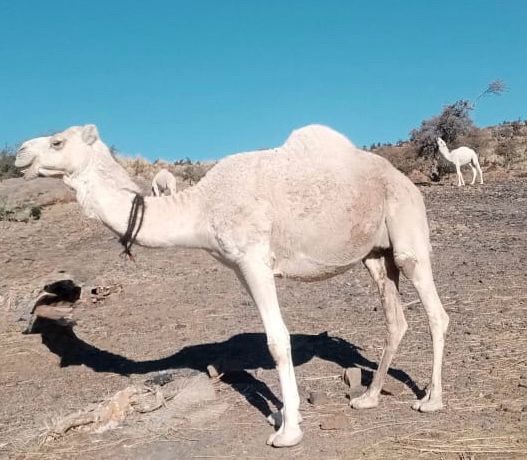
The Kohi Camel and Its Habitat
The Kohi Camel thrives in the high-altitude areas of the Koh-e-Suleiman Mountains. These majestic camels are an essential part of the local economy, especially for pastoral communities such as the Musakhail, Marri, Bugti, Buzdar, and other Baloch and Pashtun tribes. They are found primarily in Balochistan, but also in parts of Pashtoonkhwa, Punjab, and even in Paktia, Afghanistan. The Kohi camel plays a pivotal role in the traditional nomadic lifestyle, particularly in the Suleiman Mountains.
Phenotypic Characteristics
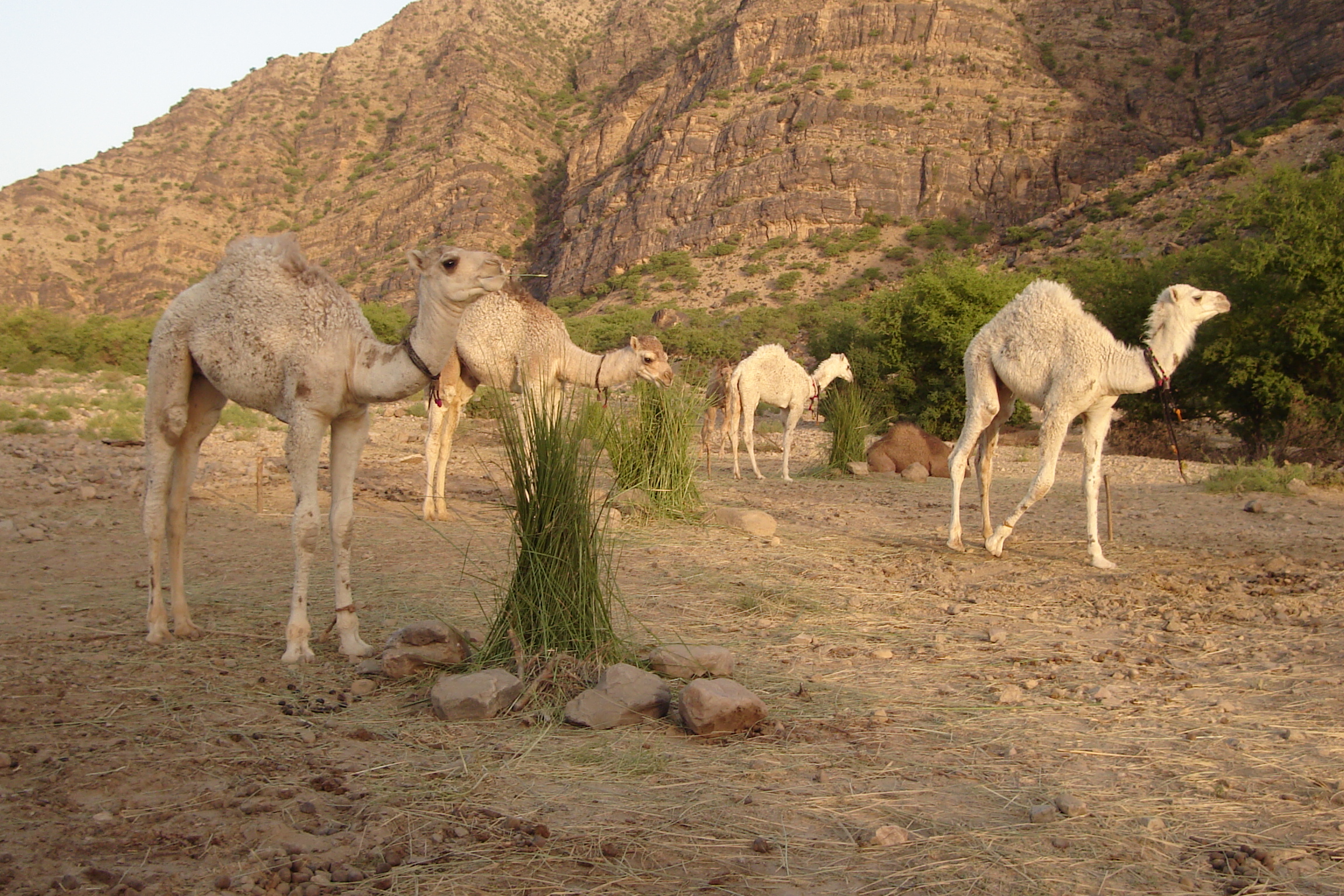
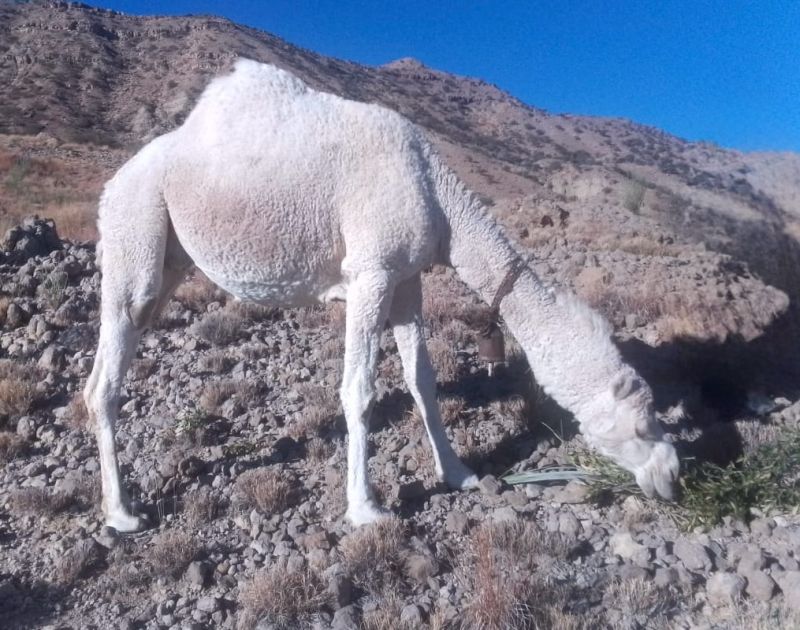
The Kohi camel is predominantly white in coat color but some animals locally are known as Spole color (light brown with white legs) are also found. The Kohi camel has white nailed either it is white or Spole coat color. The animal has a compact body, wide cannon bone, big beefy head and short neck. The herders believe that the white Kohi camel produces more milk than Spole Kohi. My research studies also proved their statement.

Kohi Camel’s Milk and Beauty
The Kohi Camel is known for its high milk yield, producing up to 12 liters of milk a day during the rainy season. The milk is not only nutritious but also sweet and delicious, making it a valuable product for local communities. The camels are also visually striking, with their white coats that make them visible from a distance, which is beneficial for herders who track their animals across vast, rugged terrain.
Production Systems and Socioeconomic Importance
In the Kohi camel’s natural habitat, there are three main production systems:
- Nomadic: Camels are constantly on the move, with herders migrating to find better grazing land.
- Transhumant (Semi-Nomadic): These herders migrate seasonally, moving between higher and lower elevations.
- Sedentary: Some herders keep camels in one place for longer periods.
Each system reflects the region’s unique environmental and climatic conditions, and the role of camels is deeply intertwined with the socio-economic practices of local communities. The camels are integral for:
Milk Production: Camels are a primary source of milk for local populations. Still there is no value chain for this milk.
Transportation: The Kohi camel is essential for moving goods across the difficult terrain of the Suleiman Mountains.
Pastoral Migration: Camels help herders migrate to better grazing areas.
Male Camel Sale: The Kohi Camel has significant economic potential, especially in terms of work, milk, and meat production. Camels are not typically slaughtered locally for meat. Only those that are non-productive, old, sick, or injured are culled in the local areas. Male calves, on the other hand, are carefully raised and are sold at premium prices in the Punjab province during Eid ul-Adha. The beauty of these camels adds to their appeal, especially among the wealthy, who often purchase them for sacrifice during the holiday. From March to September, the camels graze in the upland pastures of the Suleiman mountains. Once they are ready for sale, they are brought to the Mangrota Camel Fair, the largest marketplace for Kohi camels, attracting buyers from all over the region.
Population Size and Trend
The Kohi camel population in Balochistan is estimated at around 70,000 camels. While the breed faces no immediate threat, the ecosystem it depends on is under growing pressure. Despite this, the Kohi camel breed continues to thrive due to its resilience and the vital role it plays in the local economy.

Breeding Goals of the Breed
The primary breeding goals for the Kohi camel include milk production and work capacity. Male camels are selectively bred to ensure strong, compact, and vigorous animals capable of working in the mountainous terrain. Female camels, although bred, are not selected for specific traits, as breeders believe the males play a critical role in breeding success. Some other key traits of the Kohi camel include:
Friendly temperament: Kohi camels are known for their loyalty and affection toward their owners.cannon bone and wide chest.
Compact body with strong hindquarters and wide cannon bones, ideal for navigating mountainous regions.
Resistance to cold: The camels can survive harsh winter conditions without housing.
Unique coat color: Most Kohi camels are white, but there are also lighter brown camels known as Spole camels.
Disease resistance: The Kohi camel is locally known to be highly resistant to diseases, specifically a condition called Syed.
Reproductive and Productive Traits of Kohi Camels
The Kohi camel has several notable reproductive and productive traits, making it an efficient animal for both milk production and labor:
- Puberty and Breeding: Male camels become sexually mature at 4 years of age, while females are ready for breeding at 3 years.
- Calving: Female camels typically have a two-year calving interval, with calves weighing between 35-45 kg at birth.
- Milk Production: The average milk yield is around 10-12 liters/day. Lactation lasts between 8-11 months.
- Work Life: The average work life of a male camel is 25 years, and their productive life can extend well into their late teens.
Conclusion: The Kohi Camel’s Role in Balochistan’s Economy
The Kohi Camel is not just an animal; it is a cornerstone of the Balochistan economy and culture. With its unique adaptability to the mountainous environment and vital contributions to the socio-economic structure of local pastoral communities, the Kohi camel remains a symbol of resilience and tradition. As the breed continues to thrive, its importance is likely to grow, ensuring that the camel will remain an integral part of the region’s future.

References and Further Reading
ResearchGate: Role of Camels in the Pastoral Economy
ResearchGate: Phenotypic Characteristics of Kohi Camel
Camelides: Balochistani Camel Breeds

Reblogged this on Natural Health with the Camel Milk.
I love camels
Dear Raziq
I appreciate your comments on Kohi Camel. This is a very valuable breed of the Sulemain Mountain region. Bread and butter of many keepers depends on these animals which are used for transportation, ploughing and carting. During your PhD studies, we explored this breed extensively. You better upload your papers so that all attributes of this breed can be brought to limelight.
Pingback: My Personal Beautiful Camels~ White Kohi – Camel4ALL
Pingback: Heart Touching Camel Milk Story from Fergana Valley of Uzbekistan – Camel4ALL
Pingback: Arya Warsha – The Cradle of Livestock Domestication – SUSTAINABLE FARMING FOR FOOD AND HEALTH